Search Results
8 results for “polyphagia”

Is It Normal for a Kitten to Drink a Lot of Water?
A cat that suddenly drinks far more than usual is usually responding to either diet or disease. Dry or salty food can temporarily raise intake and tends to self-correct, but persistent thirst often signals a medical problem — most commonly chronic kidney disease, Cushing's disease, pyometra, or diabetes. Any unexplained spike in drinking warrants a veterinary check.

What Are the Symptoms of Diabetes in Dogs
Diabetes is a complex metabolic disorder with many causes, such as a lack of insulin in the dog's body or incomplete insulin function leading to abnormal metabolism of protein, carbohydrate, and fat.

Signs of Diabetes in Dogs
Diabetes is a chronic disease and a common endocrine disorder; prevention and early detection are very important. To detect it early at home, owners need to pay closer attention to the dog's condition. The most typical symptoms of diabetes are excessive drinking and urination, messy coat, and lethargy. When a dog's water intake and urination are found to increase suddenly for no reason, owners should be careful.

Dog Diabetes: Symptoms and Treatment
Canine diabetes is an endocrine disease in dogs, mainly showing high blood sugar, polyuria, glucosuria, polyphagia, polydipsia, and weight loss. Dogs over 5 are more prone (8-9 years has the highest rate), and female dogs are 2-4 times more likely than males. If diabetes is found, treat it early.
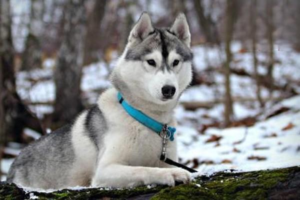
Early Symptoms of Diabetes in Dogs
The symptoms of diabetes in dogs are essentially the same as those in humans, mainly following the pattern of "three highs and one low" (increased drinking, increased urination, increased appetite, and weight loss).

Hair Loss and Excessive Urination? Symptoms of Hormonal Imbalance in Cats
Feline hormonal (endocrine) imbalance is not one disease but a sign of disorders such as hyperthyroidism, diabetes, Cushing's syndrome, or hypothyroidism. Hyperthyroidism brings ravenous appetite with weight loss, thirst, and overactivity; diabetes causes the 'three polys plus weight loss' and weak hind legs; hypothyroidism shows as lethargy, weight gain, and a dry, thinning coat. See a vet for blood and urine tests if you notice these signs.

Diabetes Mellitus in Dogs and Cats
Diabetes mellitus in dogs and cats is a disorder of insulin deficiency or resistance that causes persistently high blood sugar. Classic signs are excessive drinking, eating, and urinating with weight loss, and treatment centers on diet, insulin or other glucose-lowering medication, and monitoring.

Symptoms and Diagnosis of Feline Hyperthyroidism
Hyperthyroidism is a very common disease in older cats and produces a range of symptoms. This article describes the clinical signs and the diagnostic tests, including T4, free T4 by equilibrium dialysis, chest X-rays, and technetium-99m scans, used to confirm it.