Search Results
1071 results for “poisoning”
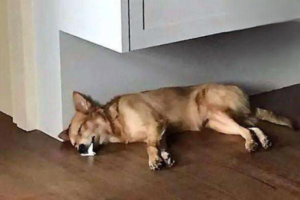
Dog Won’t Eat and Vomits White Foam or Mucus
When a dog refuses food and brings up white foam or clear mucus, the cause can range from simple overeating to a more serious problem. The dog's energy level is the quickest clue: a bright, active dog can be watched at home, while a dull or worsening one needs a vet.

How to Kill Fleas on Your Cat
Fleas are tiny jumping parasites that irritate the skin and spread illness. For light infestations a topical spot-on treatment works; for larger ones a vet-approved external parasite product plus an Elizabethan collar prevents poisoning. Regular deworming and a clean home stop them returning.
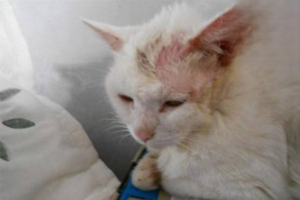
What to Do When a Kitten Has Ringworm
Ringworm is a fungal, contagious skin disease that can pass between cats and people, so isolate and disinfect at once. It shows as circular scaly patches and hair loss on the body, head, legs, and tail, with relentless itching. Treatment is shaving, topical medication, an Elizabethan collar, and a clean, well-ventilated environment plus good nutrition.

How to Treat Skin Disease in a Puppy
Skin disease is common in undernourished or frail dogs, and hits puppies and weak individuals hardest. The main culprit is the fungus Microsporum canis, which survives for months — even years — on surfaces. Signs range from mite-driven red spots to visible fleas, and treatment means shaving, topical medication, environmental disinfection, and an Elizabethan collar.

Why Your Dog Vomited White, Sticky Fluid
White sticky vomit can be saliva from food poisoning (chocolate, onion, grapes), a throat obstruction from bones, or a viral infection like parvovirus or distemper. Food poisoning and obstructions are emergencies needing the vet; for viral cases, a vet may use antibiotics plus immune support, with diarrhea and lethargy as warning signs.

Why Is Your Dog Vomiting?
Vomiting in dogs most often comes from simple indigestion, but it can also signal chronic gastritis, a respiratory infection, or kidney disease. Feed on a steady schedule to avoid over- or under-eating. Watch for red, bloody vomit, which means internal bleeding and needs urgent care.

Can You Give a Dog Human Medicine for Diarrhea?
Not all human stomach medicines are safe for dogs, and the right choice depends on the cause. Mild food-related gastritis may tolerate a halved dose of a human antacid, but parasite- or stress-related diarrhea needs dog-specific care. Always match the treatment to the cause and never dose blindly.

Can You Give a Dog Children’s Cold Medicine?
The answer is no—children's cold granules are not safe for dogs. Human cold medicine mixes ingredients that can trigger allergy or poisoning in dogs, and the dose meant for people does not translate to a dog's body. Use a vet-approved pet cold remedy instead, and keep the dog warm.

Why Is My Bichon Throwing Up Yellow Fluid?
Bichons have naturally sensitive stomachs, so yellow vomit is common. It usually means the dog gulped food and is protecting its gut, went too long without eating, or — if the fluid is foamy and frequent — is actually ill and needs a vet.

Cat Vomiting Yellow Fluid Several Times a Day: What to Do
Vomiting yellow fluid multiple times a day is not normal and can stem from parasites, infection, empty-stomach acid, gut disease or something eaten. Hair in the vomit points to a hairball. Frequent vomiting dehydrates fast, so identify the cause and get veterinary help if it persists.