Search Results
60 results for “pneumonia treatment cats”
Can Deworming Kill a Cat? Understanding the Rare but Real Risk
In one reported case, a cat given both a topical and an oral dewormer at the prescribed dose vomited severely through the night and died of dehydration despite IV fluids. It is rare, but it shows deworming is not trivial. Possible causes: an acute allergy to ingredients like albendazole or selamectin (throat swelling, breathing failure, anaphylactic shock); hidden liver or kidney disease that slows drug clearance, worsened by using both products together; stress from rough handling triggering latent illness; and poor management of complications like prolonged vomiting causing low potassium or aspiration pneumonia. To stay safe: dose strictly by weight and age, space topical and oral products 3-5 days apart, and rush to a vet if vomiting exceeds twice an hour.

Can Cat Flu Leave Lasting Effects After Recovery?
Feline rhinotracheitis (cat flu), caused by feline herpesvirus FHV-1, cannot be cured—the virus hides for life in the trigeminal ganglion and can reactivate whenever the cat is stressed, the season changes, or immunity dips. Most cats recover and live normally, but some are left with mild, manageable effects: a sensitive nose that drips in cold or dusty air, heavier tear staining from narrowed tear ducts, or—in high-risk cases—repeated flare-ups that can progress to chronic bronchitis or pneumonia. Good care (warm stable surroundings, humidity control, stress avoidance, balanced nutrition with lysine and vitamins, and regular vaccines) keeps recurrence rare. This article explains the sequelae, why only some cats get them, and how to minimize repeat episodes.

Treating and Preventing Cat Tartar
Ignored mouth hygiene leads to tartar, common in cats over two on soft food, peaking at five and eight. Plaque hardens into tartar that causes gum damage, loose teeth, and bad breath. Professional ultrasound scaling under anesthesia is best; severely bad teeth should be pulled. Prevent with early brushing using pet paste and gauze, and feed cat kibble.

Why Is My Ragdoll Cat Breathing Heavily?
A Ragdoll that breathes noisily isn't automatically sick—it may simply have exercised hard or be reacting to heat. But if the heavy breathing persists, it can signal real problems: respiratory disease, obesity, heatstroke, infectious peritonitis, liver-related fluid buildup, or heart disease. Watch for other symptoms and see a vet if it continues. For overweight cats, weight control helps; in hot weather, keep them cool and hydrated to prevent heatstroke. This article covers the likely causes and the practical steps you can take at home.

What Happens When a Cat Lacks Vitamin C
Long-term lack of vitamin C gives a cat scurvy: low spirit, poor appetite, anemia, weight loss and easy bleeding or skin inflammation. As it worsens, gums swell and bleed, wounds heal poorly, and in severe cases cheeks and tongue ulcerate or die back, with joint pain and bleeding in the bladder, gut, kidney or nose. Treat with oral or injected vitamin C plus symptomatic care, and prevent it with a balanced, complete diet, since processing destroys much of the vitamin in food.
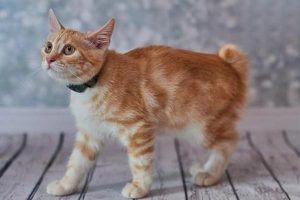
Canine and Feline Primary Lung Tumor
A primary lung tumor arises in the lung tissue itself and is seen mainly in older dogs and cats, with signs much like pneumonia — cough, weight loss, and poor appetite. Surgical removal of the affected lobe is the preferred treatment, though long-term outlook is limited.

What to Do When Your Cat’s Eyes Are Inflamed and Tearing
Red, tearing eyes are common in cats, usually from bacteria irritating the conjunctiva. The cause matters: simple conjunctivitis often settles in a few days, while viral infections like calicivirus or herpes need targeted care. Match the treatment to the underlying cause.

How to Treat a Sneezing, Congested Cat
A cat that only sneezes usually needs no medication, but added symptoms change the picture. Allergies, a chill, viral rhinotracheitis, or a nasal foreign body each call for a different fix — and persistent sneezing with discharge means a vet visit.

What to Do When Your Cat Catches a Chill
Cats catch colds easily from baths, seasonal shifts and temperature swings. Treat early to prevent the illness from deepening into something worse. Symptomatic care plus warmth, hydration and good nutrition usually gets a mild case back on track.

Cat Has Had Yellow Nasal Discharge for Six Months
Persistent yellow nasal discharge in cats usually points to a chronic upper-respiratory infection such as feline viral rhinotracheitis, or less commonly pneumonia. When the symptom has lasted six months, the condition is well established and needs a proper veterinary work-up rather than guesswork. Supportive home care can ease discomfort, but lasting or recurring discharge warrants diagnostic testing.
- « Previous
- 1
- …
- 4
- 5
- 6