Search Results
62 results for “plucking”

Tools for Plucking a Schnauzer’s Ear Hair
Schnauzers grow hair inside the ear canal, and if it is not cleared it can lead to ear mites — a real headache. For plucking at home you need three things: hemostatic forceps, a plucking powder, and an ear cleaner. A curved-tip forceps reaches the L-shaped canal best, the powder adds grip and soothes small nicks, and the cleaner dissolves the waxy buildup a cloth cannot.

What to Note When Plucking Long-Haired Rabbits
Long-haired rabbits yield much wool, a main fur breed. If you keep one, learn shearing. Plucking is not simple - many notes. Here they are.
It has been plucking constantly, almost all its feathers are gone, looks like it has worms – any reliable method? I don’t dare buy random medicine online
Feather plucking has many causes: anxiety, boredom, virus/mold/parasite infection, nutrient gaps. For example, giardia infection can cause plucking - deworm promptly, give some antibiotics, bathe often, ventilate, improve life quality. To stop plucking, put a collar on; disinfect bleeding wounds with iodine.
At what age does a Poodle puppy need ear hair plucking?
Poodle puppies can start ear-hair plucking at 3 months, every 2-3 months. It improves airflow and lowers ear-mite and infection risk.

Care Before and After Plucking a Long-Haired Rabbit’s Fur
Before plucking, comb the fur to prevent matting. After, strengthen feeding with digestible, nutritious feed and add some vitamins. This article covers more tips and cautions for plucking long-haired rabbits.
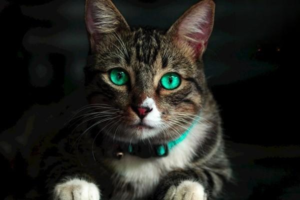
How to Clean Your Cat’s or Dog’s Ears
A buildup of ear wax or ear mites usually means cleaning has been neglected. A regular routine keeps the canals clear of dirt and moisture, prevents infection and parasites, and only takes a few gentle steps.

Why Rabbits Lose Fur
Rabbit fur loss usually points to poor nutrition, mange mites, ringworm, or bacterial skin disease — each with its own treatment, from mineral supplements to antiparasitics and antifungals. Clear away loose fur and check feed for trapped hair so the rabbit doesn't swallow it.

Ear-Canal Diseases in Pets: Treatment and Prevention
Ear-canal disease is an infection inside the ear — sounds minor, but you may regret not preventing and caring for it. That's no reason to ignore it!

Measures Owners Should Take for Long-Haired Rabbits in Winter
Winter care focuses on cold protection; short daylight and scarce greens also challenge raising. We hope this helps the rabbit through winter.

Signs That a Rabbit Is Approaching Labor
A kit's birth is joyful but demanding. Knowing the pre-labor signs helps you prepare for kindling. Here are the signs a doe is about to give birth.