Search Results
79 results for “pleasure”
What Does a Cat’s Purr Mean?
A cat's purr is a breathing sound tied to emotion and usually nothing to worry about. This article explains the different meanings behind a cat's purring.

How to Handle a Cat That Misbehaves
Scolding or hitting a cat teaches nothing and only builds fear—cats don't grasp 'guilt.' Instead, manage the environment (close doors, add scratchers, lid trash), use gentle automatic deterrence, and patiently retrain bed and bad habits.
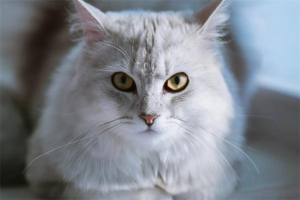
How Do a Cat’s Pupils Change?
A cat's pupils shift constantly, driven by light, mood, and health. In bright light they narrow to thin slits to protect the retina; in dim light they widen into round openings to gather more light. Emotion plays a role too—pleasure or excitement can shrink the pupils to fine lines, while fear or anger makes them blow up into wide circles, offering a window into how your cat feels. Pupil changes can also signal illness: uneven or misshapen pupils may point to infection or abnormal eye pressure, and warrant a vet visit.
Why Won’t My Dog Let Other Dogs Sniff Its Behind?
Butt-sniffing is how dogs greet and exchange information like sex, age, and health. A dog that refuses may be shy or timid, have had a bad social experience, or lack trust with the other dog. Respect its comfort and build trust through safe, gradual socialization.

How to Raise a Myna That Isn’t Afraid of People
Mynas fear people from genetics, lack of socialization, or bad experiences. To raise a tame myna, give a safe environment, approach gradually with soft speech and gentle touch, socialize it with varied people and places, reward interaction with food or toys, and always be patient and respectful - never force contact.
Nearly 3-month female kitten, home 2 weeks, very fearful, not affectionate, hides when we return, eats only if placed in front. What to do?
Fear may be new environment or shy nature; build trust slowly. Pet often after meals; hold with favorite food/snacks; occasionally play/groom - but don't over-groom.
The adult cat keeps meowing at the kitten and even drags it by the scruff out of the room—what’s going on?
If the kitten isn't hers, the adult's growling expresses displeasure and a warning—part of setting territory order. When first bringing a kitten home, keep them separated so the kitten adjusts and the adult accepts it, then guide joint play. If it is hers, the meowing is likely disciplining the kitten.
Why does a chinchilla always bite the cage?
Cage biting is usually to get the owner's attention and express a need, like wanting food or out time. Forgotten feeding may trigger biting or calling to show displeasure; watch for unmet needs.
What happens if you pet a cat’s chin?
Most cats like chin rubs because nerve endings there relax them; they may squint and purr or show the belly. If petting too long they may feel uncomfortable and hiss or scratch, so stop.
How does an angry dog behave?
An angry dog may bark, growl, bare its teeth, pin its ears back and tense its body. It may refuse commands and, in some cases, become aggressive.