Search Results
414 results for “play biting”
What Does It Mean When Your Cat Suddenly Swishes Its Tail Hard?
A tail held high with a gently swaying tip means a happy, content cat; a tip thumping the floor signals irritation — back off before it bites. The danger sign is a tail lashed low against the ground with a crouched body and pinned-back ears: that is an imminent attack, so retreat slowly and give space.

When Does a Cat Get Angry and Bite?
A cat may suddenly bite when its territory is invaded, it's startled, the environment changes, or it's in pain or discomfort. Petting too long or hitting a sensitive spot can provoke it; a frightened cat may bite in self-defense; and a cat in pain can turn aggressive. Respect its space, read its body, and see a vet if biting comes with signs of illness.

Why Is Your Dog’s Paw Swollen?
A swollen paw can stem from many causes — a sprain or knock, interdigital dermatitis, bacterial or fungal infection, parasites, or allergies. Check the paw for wounds or infection; clean and treat minor cuts promptly, use antibiotics for serious infection, and see a vet if you can't pin down the cause.

Common Bad Habits in Cats and How to Fix Them
Common cat bad habits include biting, picky eating, and disturbing the owner's sleep. Many of these habits form because of the owner's own behavior — playing with hands or giving snacks without limit. Learning the right way to raise a cat is the best way to prevent them.

What Long-Term Caging Does to a Cat
Cats are born free spirits and caging them long term harms body and mind. It causes anxiety, fear of people, and odd behaviors like over-grooming or chewing the bars; physical limits lead to stiff joints, muscle loss, obesity, heart risk, constipation, and poor bone development; little contact blunts social skills; suppressed instincts distort natural behavior; and cage life can ruin litter habits and cause odor. Caging should be rare and short, only for health or safety limits. Instead, cat-proof the home with mesh on windows and doors, give a cat tree and scratcher, litter-train, and let the cat roam free with your company.
Which Cat Breeds Rarely Bite? (And Why Personality Still Wins)
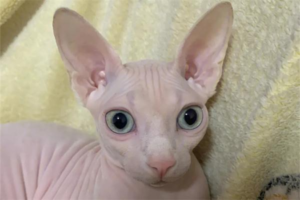
If you worry about being bitten, choose a naturally gentle breed: Ragdoll, British Shorthair, Maine Coon, Birman, exotic shorthair (Exotic), Siamese, Sphynx, and orange tabbies are widely seen as low-aggression, friendly, and people-oriented, good for families with kids. Ragdolls go limp and forgiving, British Shorthairs warn with a soft paw, Maine Coons show feeling by walking away, and orange tabbies are affectionate but prone to weight gain. Yet every cat is an individual, and even these breeds can bite if pushed past their limits. Learn each cat's boundaries, respect its feelings, and avoid over-stimulating it.
Yes, Cats Get Jealous: 5 Signs to Watch For
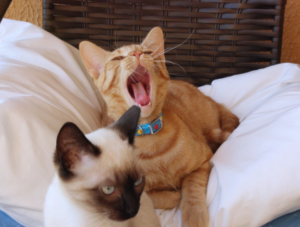
Cats may look aloof, but they do feel jealousy, rooted in a strong sense of ownership. When a new pet arrives or you focus on another animal, a cat may fixate on the "rival" while emitting a low growl. Some cats act out by spraying, destroying things, or fighting; others go quiet, hide, and refuse food. That withdrawal reflects sadness and anxiety, and if ignored it can harm health, lowering immunity, causing weight loss, or triggering feline idiopathic cystitis. The good news is that jealousy means your cat cares; more one-on-one time and a slow introduction of newcomers resolve most cases.

After the Swim: Preventing Ear Infections, Skin Trouble, and Tummy Upsets in Dogs
Swimming is a great low-impact workout that cools dogs off and supports their joints—but skipping the clean-up afterward can lead to three common problems: ear infections, skin irritation, and digestive upset. A dog’s L-shaped ear canal traps water that shaking alone won’t fully remove, creating a warm, moist space where yeast and bacteria thrive. Thick or double coats that aren’t fully dried breed the same trouble on the skin. And a cold abdomen plus post-swim air conditioning or ice water can upset a sensitive gut. The fix is simple: clean and dry the ears, blow-dry the coat layer by layer (especially armpits, belly, and paw folds), and let the dog rest before any AC, cold water, or rough play—offering a probiotic if its stomach is delicate.

Signs a Guinea Pig Dislikes Its Owner
Guinea pigs are popular small pets, but they do not always adore their owners, and sometimes they show clear dislike that leaves owners puzzled. Common signs include sharp squeals aimed at you when unhappy, and biting when they feel threatened, such as after a sudden grab or pet. A guinea pig that dislikes you will avoid coming near, refusing your food or touch, and may flee to a corner, under furniture, or scramble inside the cage when you reach for it. The causes are usually practical: an uncomfortable environment with cold or swinging temperatures, poor or unsuitable food, too little companionship for this social animal, or illness that makes it fretful. To rebuild trust, meet its basics with a cozy home, fresh food and water, and clean housing; spend more calm time together through gentle handling and feeding; learn its nocturnal habits and interact in the evening; and stay consistent and patient so it slowly learns to trust you.

How to Stop a Cat From Scratching You
A cat that scratches its owner is a common headache, and the behavior is usually fixable once you understand why it happens. Scratching can stem from misunderstanding, anxiety, fear, or over-excitement, and often a cat is only trying to interact or ask for attention without meaning harm. Teach it that scratching makes you unhappy and can bring a consequence, and over time it learns to stop; for truly aggressive scratching, a firm loud noise startles without hurting, paired with calm positive reinforcement. Meet the underlying need by giving a proper scratching post or area, rewarding correct scratching, and offering varied toys and play to burn energy so it does not take it out on your hands. Learn the body language: a swishing tail, flattened ears, or a partly open mouth mean back off. Patience, trust, and the right outlet turn scratching into healthy habits.