Search Results
414 results for “play biting”

What to Do When Your Cat’s Tail Is Damaged or Infected?
A damaged or rotting cat tail can stem from parasites, fungal or bacterial infection, hormonal imbalance, or weak immunity. Clip the fur, fit an Elizabethan collar, clean with saline and iodine, and see a vet for a skin scrape to identify the cause. Vitamin B and lecithin support healing.

How to Tell If Your Chinchilla Feels Lonely
Lonely chinchillas show dropping appetite, poor sleep, low activity, and anxiety-driven behaviors like cage-chewing or biting. As social animals, they need companionship; relieve loneliness with a cagemate, an enriched environment, and daily interaction.

Do I Need a Rabies Vaccine After a Chinchilla Bite With No Bleeding?
Chinchillas seldom carry rabies, so a bite that does not break the skin usually requires no vaccine. For larger wounds, consider plague and tetanus shots after first aid, and consult a doctor if in doubt. Understanding chinchilla behavior helps prevent bites.

What Happens When a Dog Is Caged for Long Periods?
Long-term caging harms a dog physically, mentally, and behaviorally: muscle and joint problems, weak immunity, obesity, plus anxiety, dependency, and social issues. Limit crate time—puppies out every 3 hours, adults under 6 hours daily—and ensure exercise and training.

Common Diseases of Ornamental Fish
Scale loss, fin rot, fin congestion, saprolegniasis (cotton fungus), and cloudy eye are common ornamental fish diseases. Even careful keepers can't fully prevent them, so observe fish daily for early signs. Most sick fish show reduced appetite and activity; act on these promptly. Keep water clean, since fouled water easily causes illness.

What to Do When a Dog’s Seizures Become More Frequent
When seizures grow frequent, see a vet to find the cause and a medication plan; tests like blood work or EEG may be used. Anti-seizure drugs such as diazepam or phenobarbital control episodes—give them on schedule, never change dose or stop on your own. Watch diet, sleep, and exercise for triggers, and avoid highly stressful or excited environments.
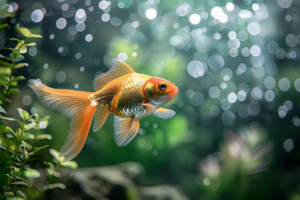
The Arowana Breeding Process
Arowana breeding requires specific water temperature and quality, and proceeds in three steps: pairing, egg-carrying, and spawning. This article walks through each stage and the care needed during the breeding period.

What Happens If a Cat Breeds Too Often?
While unspayed, constantly in-heat cats risk pyometra, mammary tumors, and ovarian cysts, too-frequent pregnancy and birth also heavily burden the mother. This article explains the effects of frequent breeding so owners limit litters.
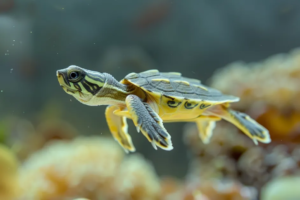
Why Do Turtles Bite Each Other, and How to Stop It?
Turtles kept together often fight and bite—over food, cramped space, mixed species, or mating rivalry. Separate bullies, give more room, and avoid mixing aggressive breeds to prevent injury and shell rot.

Why Does Your Koi Have White Spots, and How to Treat Them?
White spots on koi usually mean ich (white spot disease), poor water, or fight wounds. Raise temperature, salt-bath, clean the tank, or isolate and disinfect injured fish—act fast, as ich kills within days.