Search Results
414 results for “play biting”

Why Cats and Dogs Shed in Spring (and When to Worry)
Shedding spikes in spring and autumn as pets swap coats — that's normal. But heavy hair loss with behavior changes can signal skin disease, diet, allergies, stress, or parasites.

What Are the Symptoms of Rabies
Rabies, also known as hydrophobia or "mad dog disease," is an acute contagious zoonotic disease caused by the rabies virus, mainly showing excitement and paralysis. This article explains what the symptoms of rabies look like.

Why Do House Cats Fight — and How to Stop It
Not every scuffle between household cats is a real fight — many are play or posturing. You can tell a genuine fight by signs like flattened ears and flying fur, and you can reduce conflict by enriching the environment and sharing your attention evenly among the cats.

An Introduction to Common Dwarf Hamsters
The dwarf (three-line) hamster is common in pet shops; wild ones show three clear back lines with black fur around ears and eyes. Types include the Silver Fox (light coat, visible or invisible back line), Pudding (orange-striped, yellow or cream), Violet (lilac in sunlight, faint line), Milk Tea (milk-tea coat, weak, inbred), Robo (tiny, white whiskers, shy but non-biting and often co-habitable, needs sand baths), and Teddy Bear (golden-brown, variable coat, sheds seasonally). Dwarf hamsters are docile and good for beginners.
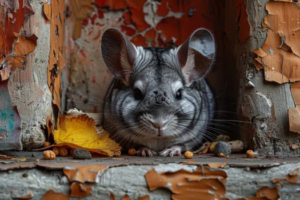
How to Hold a Hamster Correctly
Grabbing a hamster from behind or above, or forcing it (just woken, hungry, or pregnant) scares it and risks a bite; never touch ears, tail, or belly until trusted. Instead, open the cage and let it climb onto your hand, nudge its nose if it nibbles fingers, move slowly once it is on, and once calm stroke it head-to-tail and offer a treat or soft words to build trust.

What Is the Best Medicine for Dog Dermatitis?
The best medicine for dog dermatitis depends on the cause and severity - treat the right type to heal faster. Here are the main types and the matching treatments.

Causes and Types of Cat Anemia
Cat anemia arises from poor nutrition, parasites, leukemia or kidney disease, blood loss, bone marrow defects, and poisons such as onions or rodenticide, and is classified as regenerative (blood loss or hemolysis) or non-regenerative (marrow or systemic disease). A vet must identify the type and cause quickly because most underlying diseases have serious complications.

Is Gum Bleeding in a 4–5 Month Cat a Teething Sign?
A cat around 4–5 months is usually teething, when fragile gums may bleed a little from loose teeth — but bleeding can also come from sharp bones scraping the gums. Check the mouth for loose baby teeth and new adult teeth; if so, it is teething. Bleed points inside the socket are normal and stop in minutes, but heavy or non-stop bleeding needs a vet. Feed soft food and add calcium.

What to Watch During a Cat’s Teething
Cats teethe from about 4–5 to 8 months, with red, itchy, bleeding gums and low appetite. Soften kibble with warm water, goat milk, or unsalted bone broth; give chew toys or dental sticks, not scolding, for biting; check for retained baby teeth causing bad bite; after teething return to dry food and brush often; mild gum swelling can self-heal or use an oral spray.

The Causes and Dangers of Cat Pharyngitis
Many people have suffered from pharyngitis themselves and know it is uncomfortable, slow to heal, and prone to recurrence. What you may not realize is that cats can develop pharyngitis too and endure the same distress. Here is what cat owners should know about the condition.