Search Results
98 results for “play aggression”

Canine Self-Biting (Acral Self-Trauma) Syndrome: Symptoms, Causes, and Care
Self-biting syndrome is a compulsive behavior in dogs that leads to biting of the tail, limbs, or body, causing wounds and infection. It stems from parasites, nutritional gaps, allergies, or anxiety, and requires both behavior and medical management.

Lead Poisoning in Dogs and Cats
Lead is a heavy metal that most often poisons young pets after they chew paint, batteries or contaminated water. It causes nervous signs such as seizures, aggression and incoordination, plus anaemia and urinary irritation.

Hypoparathyroidism in Dogs and Cats
Hypoparathyroidism is low parathyroid hormone from parathyroid injury that causes severe low blood calcium and neuromuscular hyperexcitability: muscle tremors, ataxia, and seizures. Correcting calcium with calcium and vitamin D is the mainstay of treatment.

False Pregnancy in Dogs and Cats
False pregnancy is a hormone-driven syndrome in which an unbred female shows pregnancy-like signs such as nesting, lactation, and behavior change. Mild cases resolve on their own, but pyometra must be ruled out; hormone therapy or spaying helps recurring cases.

Rabies: Symptoms, Transmission, and the Critical Importance of Vaccination
Rabies is a fatal viral disease that affects the brain and spinal cord of mammals, including dogs, cats, and humans. It spreads through the bite of an infected animal and causes fear of water, light, and progressive paralysis. Prevention through vaccination is the only reliable defense.

Understanding Aggressive Behavior in Cats
Given their size, cats can be formidable opponents. Unlike dogs, cats have three weapons: an open mouth with sharp teeth and four dexterous paws with needle-like claws, making them harder to control.

Alprazolam (Xanax) Use in Dogs and Cats
Alprazolam, commonly known by the brand name Xanax, is used in dogs and cats mainly as an anxiety reliever and muscle relaxant, often for storm phobia.

What to Do When Cats Keep Fighting Each Other
Cats fight for many reasons—food guarding, play, toy rivalry. Spay/neuter all cats, keep claws trimmed, give each 10–15 min of daily play, use bells to track them, swap scents with a towel, and try facial pheromones (Feliway). Separate fighters with a blanket or loud noise, then restart desensitization and counter-conditioning.
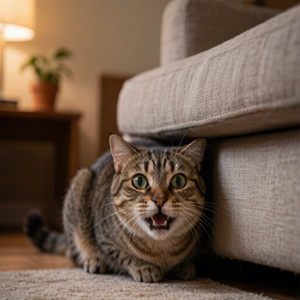
Causes of Feline Phobias
Fear is a normal response to threatening stimuli, but when it becomes excessive and irrational it crosses into phobia. This article explains the possible triggers of feline phobias, how they develop through innate and learned pathways, the sensitive period of kitten socialization, and how to prevent fear from becoming a lifelong problem.

How to Break Your Cat of Bad Habits
The top complaints about cats are inappropriate litter box habits, furniture scratching, and aggression—most rooted in normal feline behavior. With patience and the right setup (clean box, sisal scratching post, proper play), these problems are solvable or preventable.