Search Results
48 results for “picking up cat”
Pet CoQ10 Supplements Reviewed: Picking One That Genuinely Supports Heart Health
CoQ10 is a popular supplement for pets with heart conditions, but it supports heart function rather than curing disease. It helps the heart muscle generate energy, mildly slows heart failure, and supports immunity and vitality. Yet the market is full of weak or mislabeled products—industry figures suggest most pet CoQ10 labels either understate or omit the actual content, and some use industrial-grade raw materials. When choosing a supplement, look for verified CoQ10 content (ideally backed by independent testing), natural fermentation sources, and a clean antioxidant formula, matched to your pet's age, breed risk, and symptoms. Used alongside veterinary treatment, a quality CoQ10 can be a valuable part of heart care.

How to Bond With a Stray Cat That Won’t Warm Up
Many stray cats have lost the ability to trust people and need to rebuild the connection slowly. Avoid eye contact at first, interact through toys at a distance, then gradually introduce gentle touch. Patience turns fear into trust.

How to Choose and Switch Your Cat’s Food
Picking the right cat food and changing diets slowly protects a sensitive stomach. Look for high animal protein, balanced fat, and added taurine, and transition over about a week.

A Guide to Cat Toys
Cat toys split into three kinds: ones you use together to build bonding, ones a cat can enjoy alone when bored, and a few that need supervision. Picking the right type keeps play safe and fun.

Cat Spay and Neuter Care: Details You Shouldn’t Skip
Neutering curbs mating aggression, noisy calling, marking, and heat-related illness, but the surgery is only half the job. Follow the antibiotic course, avoid picking the cat up, and support recovery with good nutrition.
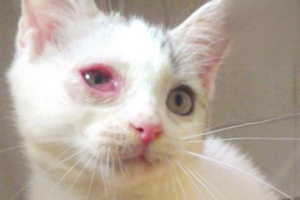
Why One of Your Cat’s Eyes Is Suddenly Red and Swollen
A cat with one red, swollen eye is usually reacting to conjunctivitis, a localized bacterial infection, or — less commonly — an internal viral illness such as panleukopenia. Matching the right treatment to the cause matters, because randomly applying eye drops can make the problem worse. Watch for other symptoms such as digestive upset, and see a vet if the eye does not improve.

Early Signs of Canine Distemper
Canine distemper starts with lethargy, poor appetite, discharge from the eyes and nose, and a fever above 40°C that rises and falls in waves. It's a highly contagious viral disease spread by contact, air, or food — not zoonotic — and kills over 80% of untreated cases, so vaccination and quick vet care are vital.

A General Guide to Feeding Pets
Good feeding means deworming on schedule (from about 2 months, then every 3–6 months), picking food that fits the pet instead of sharing yours, and never giving chocolate or onion, which can poison and cause gut disease.

A Guide to Pet Vaccinations
Core cat vaccines — the FVRCP combination and rabies — protect against panleukopenia, calicivirus, herpesvirus, and rabies, and are recommended for every cat. Start the FVRCP series no earlier than six weeks, finish after 16 weeks, and keep boosters on schedule while watching for post-shot side effects.
Symptoms and Treatment of Feline Distemper
Feline distemper, also called feline panleukopenia or feline infectious enteritis, is an acute, highly contagious disease in cats. A cat with distemper shows: reduced white blood cells, reduced appetite, soft stool, vomiting, fever, dehydration, and other symptoms.