Search Results
201 results for “pick a kitten”

Problem Behaviors in a Cat New to Your Home
A newly arrived cat, especially a kitten, may show stress signs: mild vomiting or diarrhea, constant meowing, hiding, or missing the litter box. Most ease within days, but persistent or worsening signs mean a vet visit.

Are Cats Really Impossible to Bond With?
An Oregon study found over half of cats chose their owner over food or toys, and a cat that seems aloof still shows love through kneading, head-butts, belly displays, and following you everywhere. Cats that were stray before three months may stay wary, but 'untamable' is a myth — often it's the person who fails to connect.

What to Do When a New Cat Won’t Use the Litter Box
A cat arriving in a new home is stressed and may ignore the litter box, mostly because the box carries no familiar scent to mark it as a toilet. The fastest fix is to keep the cat's original box, or — for a cat that was shipped — confine it with a box in a small space so it learns by scent. Also make sure the box sits somewhere quiet and private, holds the litter it knew before, and is not shared with a resident cat.

Treating E. coli Infection in Dogs and Cats
Colibacillosis is an acute intestinal infection of young dogs and cats caused by pathogenic E. coli, marked by fever, vomiting, and foul-smelling diarrhea that can turn fatal. It mimics many other diseases (distemper, parvovirus, salmonellosis), so a lab test is needed for diagnosis; treatment is antibiotics chosen by sensitivity testing plus strict hygiene and early colostrum.

Why Cats Feel Fear and Anxiety
A cat's fear and anxiety are learned, not innate, and come from strangers, new pets, sudden movements, loud noises, leaving home, and especially punishment. Socialize kittens before 11–12 weeks, introduce new animals slowly through scent, avoid startling play, cushion noise, and replace scolding with trust-building to keep a cat confident.

Why Is My Cat Having Diarrhea Again?
Diarrhea is loose or unformed stool from food moving too fast through the gut to absorb water and nutrients, and it can be acute or chronic. Causes range from infections, parasites, and diet changes to stress and underlying gut disease; at home, keep water available, feed small frequent easily digested meals, and use smectite or pet probiotics for mild cases — but see a vet for blood, fever, lethargy, or ongoing diarrhea in an unvaccinated cat.

Why Do Cats Get Gastroenteritis?
Cat gastroenteritis is the most common pet illness, usually from spoiled food, a kitten's shallow stomach overloaded with food, lactose intolerance, sudden weather shifts, or poisoning. Treat with a short fast to heal the gut lining plus a cat-specific antibiotic, and head to a vet if there's no improvement — never use human stomach medicine.
Should You Soak Cat Kibble or Feed It Dry?
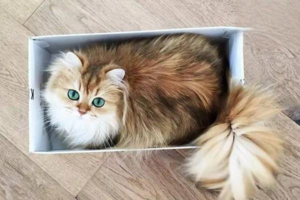
Soak kibble for kittens (their guts are delicate) but feed adults dry food to exercise jaw and teeth — better yet, rotate dry and wet. Dry food is only ~10% moisture and risks chronic dehydration, kidney and urinary problems if a cat won't drink, while wet food alone invites dental disease and fussy eating. Kittens can start dry food around three months, in three to four small meals.

Common Causes and Treatment of Ringworm in Cats, Dogs, and Rabbits
Ringworm (dermatophytosis) is a highly contagious, zoonotic fungal infection that strikes animals with weak skin immunity — especially youngsters and those in damp, dirty surroundings — and can pass to humans. Treatment means isolating the pet, clipping and disinfecting lesions, antifungal sprays or ointments (plus oral antifungals and B-vitamins for severe cases, with liver support), and thorough environmental cleaning; rabbits need ivermectin-based mite control to prevent it. Keep the home dry and ventilated, bathe sparingly with pet shampoo, and use a little sunlight to stop outbreaks before they start.

What to Know About Deworming a Cat Internally
Internal deworming can cause reactions — some cats vomit or have diarrhea after the tablet, usually settling in a day or two. Reactions stem from a sensitive gut or the wrong product; pick a reputable, gentle brand for seniors, weak cats, and first-timers, and only deworm a healthy cat at the correct dose.