Search Results
1918 results for “pica”
Will goldfish kept at home breed on their own?
Home goldfish can breed naturally if both sexes are present and healthy. Here is the timing and conditions.
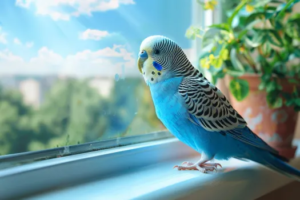
What to Do When Your Budgerigar Has an External Injury
Budgerigars commonly suffer minor scrapes, broken toes, or beak injuries in the cage. While small wounds often heal on their own, you should always disinfect the area to prevent infection; serious trauma such as a broken beak or leg can permanently affect the bird's ability to eat and move.

Common External Diseases in Parrots
Parrots kept in captivity are especially prone to external conditions such as skin tumors, feather-plucking (self-mutilation), and scaly-face mite infestation. Understanding their causes, symptoms, and treatments helps you prevent them and act quickly if they appear.

Boarding Your Pet at a Pet Store for the Holidays: Pros and Cons
Holiday boarding at a pet store offers supervision, socialization, and grooming, but carries risks of infection, careless staff, and post-boarding stress. Inspect the facility, confirm vaccination, and use a written contract.

Pet-Safe Houseplants That Are Non-Toxic to Cats and Dogs
Both pets and plants bring life to a home, but many plants can be risky for furry friends. Here are safe, non-toxic options you can grow alongside your cat or dog.

What to Do When Dog or Cat Vaccination Fails
Measures to address vaccine failure in dogs and cats, covering nutrition, maternal antibodies, parasites, health status, medication, storage, and scheduling.

Alprazolam (Xanax) Use in Dogs and Cats
Alprazolam, commonly known by the brand name Xanax, is used in dogs and cats mainly as an anxiety reliever and muscle relaxant, often for storm phobia.

Do Cats Need Deworming in Winter?
Parasites stay active even in winter, so year-round deworming matters. Fleas, ticks, heartworm, and intestinal worms can all affect cats during the cold months, and several safe topical and systemic products are available.

How to Treat Black Chin (Feline Acne) in Cats
Cat chin acne (feline acne) is a skin condition in which hair follicles become clogged and inflamed, producing blackheads and sometimes infected bumps on the chin. Most mild cases improve with regular gentle cleaning, while secondary infections need topical or oral medication.

Feline Infectious Respiratory Diseases: Causes, Treatment, and Prevention
Lethargy, loss of appetite, sneezing, and persistent runny nose in cats often signal an upper respiratory infection, a highly contagious disease that is especially dangerous for kittens.