Search Results
1918 results for “pica”
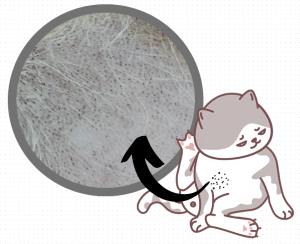
Black Dots on Your Cat’s Skin: Folliculitis, or ‘Black Chin’ and ‘Stud Tail’
Black dots on a cat's skin are usually the early sign of folliculitis, like blackheads, driven by excess sebum, blocked follicles, and bacterial infection. On the chin it is called black chin, and on the tail stud tail or oily tail, both managed with gentle localized cleaning and diet adjustments.
Using a Wood’s Lamp to Check for Cat Ringworm
Under a Wood's lamp in a dark room, ringworm caused by Microsporum canis makes infected hairs glow a translucent apple-green, especially at the roots. Other substances can fluoresce too, causing false positives, and a negative test does not rule out ringworm.

Furuncles and Furunculosis in Dogs and Cats
A furuncle is a localized skin abscess around a hair follicle; repeated or widespread furuncles are called furunculosis. They appear as small, painful pus-filled bumps and can progress to deep pyoderma. Good hygiene, parasite control, and veterinary care limit spread.

Folliculitis in Dogs and Cats
Folliculitis is inflammation of the hair follicles, often from bacteria, mites, or hormone imbalance. It causes hair loss, itching, and red, swollen skin, and can spread into deeper infection. Early diagnosis and antimicrobial care prevent it from becoming deep pyoderma.

Chemical Burns in Dogs and Cats
Chemical burns are skin injuries from strong acids, alkalis, or phosphorus. Acids cause a thick, dry, leathery scab; alkalis penetrate deeply; phosphorus keeps burning and glows in the dark. Immediate flushing and veterinary care limit tissue damage.

Burns in Dogs and Cats
Burns are tissue injuries caused by heat (fire, steam, hot liquids) or other agents. They are graded by depth: first-degree heals in about a week, second-degree in 20–30 days, and third-degree is severe and prone to infection. Quick first aid and veterinary care prevent shock and sepsis.

Bruises (Contusions) in Dogs and Cats
A contusion is a closed soft-tissue injury from a blunt blow, fall, or collision. It causes swelling, pain, and bruising, and can be serious when it affects the head, chest, abdomen, or spine. Treatment centers on reducing swelling, relieving pain, and preventing infection.

Wounds and Trauma in Dogs and Cats
Trauma from abrasions, punctures, bites, and other injuries damages skin and deeper tissues. Untreated wounds can become infected and harm underlying structures. Prompt cleaning, bleeding control, and veterinary care prevent complications.

Chlorpromazine Poisoning in Dogs and Cats
Chlorpromazine, a phenothiazine sedative, depresses the brain when overdosed, causing low temperature, agitation, coma and skin reactions. Stopping the drug and supportive care with a respiratory stimulant are the main steps.

Sodium Fluoroacetate Poisoning in Dogs and Cats
Sodium fluoroacetate is a deadly rodenticide that, like fluoroacetamide, blocks cellular energy production and strikes the brain and heart. Signs include vomiting, incoordination, wild running, seizures and rapid death.