Search Results
1913 results for “pica”

Causes and Treatment of Fungal Skin Infection in Dogs
Canine dermatophytosis is a zoonotic fungal infection driven by climate, weak condition, and long-term steroids, with Microsporum canis the top culprit. It shows as round scaly patches and needs topical or oral antifungals plus isolation, since it spreads to people and other pets.

What Causes Scab Disease in Turtles?
Turtle scab disease starts when an injury lets bacteria — usually Aeromonas hydrophila — into the skin, so prevention hinges on clean water and avoiding scrapes. Infected turtles develop white scabs on the neck, limbs, and head that can rupture and spread; early cases are curable by squeezing out the lesions, disinfecting, and applying antibiotic ointment.

Why Is My Cat Shaking, and What Should I Do?
Cats shake for harmless reasons — cold, fear, or stress — but also for serious ones like poisoning or disease (seizures, fever, drug reactions). Warm a chilled or stressed cat and watch it; if shaking comes with vomiting, diarrhea, low appetite, or lethargy, or you suspect poisoning, get to a vet quickly.
How Often Should You Clean Your Cat’s Ears?
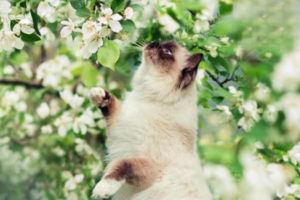
Clean a healthy cat's ears every one to two weeks — too often risks injury — but with ear mites, fungus, or bacteria, clean several times a week. The routine is cleaner, massage, let the cat shake, then wipe the outer canal; tell plain dirt from mites by the black, smelly, itchy discharge mites leave, and treat mites with a suitable drop plus monthly topical deworming.

Why Do Indoor Cats Get Fleas?
Even cats that never go outside can pick up fleas—carried in on your shoes and clothes, passed from a new unquarantined cat, or brought in from the garden. Fleas breed alarmingly fast, so routine prevention matters. If fleas appear, isolate the cat, apply a topical ectoparasiticide such as fipronil, comb out the debris, and deep-clean the home.

Is My Cat’s Drooling a Sign of Hypersalivation (Ptyalism)?
Frequent drooling isn't automatically hypersalivation (ptyalism)—that condition brings uncontrolled salivation soiling the front, plus rapid weight loss, and usually arises from oral disease, systemic illness, or poisoning. Causes range from mouth inflammation and stress to spoiled food and weak immunity. Keep cats off rotten food and well-nourished to lower the risk.

Symptoms and Treatment of Rheumatoid Arthritis in Dogs
As dogs age, they become less willing to exercise and their joints become more swollen, and arthritis and other diseases become more likely. Let's talk about the symptoms of rheumatoid arthritis in dogs and how to treat it.
Why Do a Dog’s Eyes Turn Blue?
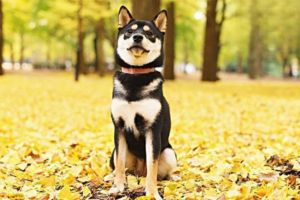
A dog's eyes turn blue due to infectious hepatitis, and timely treatment is needed. When puppies have hepatitis, a blue membrane forms over the eyes; this disease is called blue eye disease. Canine infectious hepatitis is an acute infectious disease caused by canine adenovirus.

Feline Lower Urinary Tract Disease
Feline lower urinary tract disease, also known as feline urinary syndrome, is not a precise diagnosis; it includes a series of clinical symptoms: hematuria, frequent trips to the litter box with very little urine each time, difficulty urinating, urethral blockage, anuria, frequent licking of the urethral opening, and irregular urination outside the litter box.

What to Do About a Dog’s Fracture
In daily life we often see dogs with abnormal behavior-limping, lying still, or crying in pain-which may be signs of a fracture. If your dog unfortunately breaks a bone, what should you do?