Search Results
1916 results for “pica”

What If Your Cat Won’t Cover Its Poop?
Some cats 'ghost-scratch'—clawing the box wall or floor beside the mess without covering it. Covering is both instinct and a learned skill, best picked up from the mother between 3 and 8 weeks. If the mother was a poor teacher, the kitten learns the motion but not the result. Improve it with deeper litter (8–10 cm), a larger box (room for four cats), supervised repeat practice, and a skilled feline role model to demonstrate.

What to Do If Your Dog or Cat Has Tapeworms
Many species of tapeworms parasitize dogs and cats, and the adult worms seriously harm their health, while the larval stages often use livestock or humans as intermediate hosts, threatening both animals and people. Common species include Dipylidium caninum, Taenia spp., Echinococcus granulosus, Mesocestoides, Spirometra mansoni, and Diphyllobothrium. Infection causes intestinal inflammation, malnutrition, and in severe cases intestinal blockage, with signs like vomiting, diarrhea, weight loss, and odd behavior. Diagnosis relies on clinical signs plus fecal egg exams. Prevention means regular deworming, not feeding raw offal, and controlling fleas. Treatment uses praziquantel (5 mg/kg dogs, 2 mg/kg cats), arecoline hydrobromide, bunamidine, or fenbendazole under veterinary guidance. Because some tapeworms (like Echinococcus) also endanger human health, prompt and correct control matters.

Why Does My Cat Always Lie Down? Understanding Feline Arthritis
If your cat spends most of its time lying down, walks with a limp, or refuses to be touched on the hind legs, it may be suffering from arthritis—a condition that affects up to 90% of cats as they age. Arthritis is the inflammation and degeneration of joint cartilage, most often secondary (degenerative) arthritis, which worsens as cats grow older. Cats are masters at hiding pain, so signs like reluctance to jump, reduced grooming, increased sleeping, and irritability can easily go unnoticed. Causes include aging, genetics, obesity, injury, and acromegaly. Treatment combines veterinarian-supervised medication (NSAIDs such as meloxicam), weight management with omega-3 and glucosamine supplements, and environmental adjustments like steps and soft bedding. Prevention starts with a healthy diet and keeping your cat lean.
What Causes a Dog to Retch or Dry-Heave?
A dog that keeps dry-heaving without producing vomit can be distressing to watch, yet the causes are often straightforward. Retching usually means the throat or stomach is irritated, and it can come from a foreign object, throat inflammation, parasites, indigestion, or simply too much excitement and exercise. Most cases are mild and improve with rest, fluids, and regular deworming, but some signal infection or an obstruction that needs a vet. Knowing the difference helps you respond calmly and give your dog relief before a small issue becomes a bigger one.
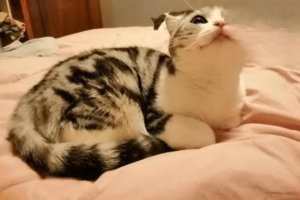
How to Prevent Heartworm in Cats
Heartworm actually takes hold in a cat's lungs, not the heart, and although cats are not the worm's natural host, they can still be infected by a mosquito carrying larvae. Cats are often overlooked: infection rates are only 5–15% of a dog's under the same conditions, symptoms are subtle (about 28% show none), and tests are less accurate than in dogs. Prevention matters — avoid mosquitoes and use a vet-prescribed monthly topical preventive. Test for infection before giving any preventive, since treating an already-infected cat can cause shock.

Why Cats Seek Out Your Petting
When you get home tired, your cat often runs over to nuzzle you and begs for head scratches. The reason is that cats treat humans like a "mother cat": our stroking feels like the grooming they got as kittens, so they never quite grow up emotionally and keep asking for that maternal care. They signal it with a stiff, upright tail and a hopeful gaze. But a cat may also beg for petting when it wants food, a cuddle, or during mating season — read the situation.
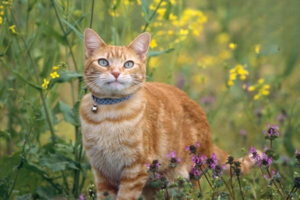
Everyday Flea Prevention and Care for Cat Households
Spring and summer are peak parasite season, and fleas are a common nuisance for cat owners. A cat that scratches constantly may have fleas, mites, allergies, or ringworm — confirm with a Wood's lamp, hair exam, or the classic 'damp tissue test' where flea dirt turns red. These tiny jumpers can produce 250,000 offspring a month, so prevention matters: vacuum cracks and gaps, comb with a flea comb twice weekly, hot-wash bedding, and keep the home dry (fleas like 18–27°C, ~75% humidity). If infected, use monthly topical prevention, treat inflamed skin, and watch for tapeworms passed via fleas.

Cat Vomiting After Every Meal: What to Do
When a cat throws up everything it eats, the cause may be a gut blockage from a swallowed object or hairballs, organ disease in adults, or acute gastroenteritis from bad food, parasites, or infection. Get a vet check first, bloodwork, fecal, and imaging pinpoint the cause. If a clinic isn't possible immediately, fast 4-6 hours, then a vet-prescribed gut antibiotic and anti-emetic can ease pain and protect the gut lining; hairball paste and probiotics help if it's just hairballs or a partial blockage. Untreated, frequent vomiting leads to dehydration and worse.

Should You Vaccinate a Cat That Has a Cold?
Don't vaccinate a cat that has a cold—wait until it recovers. Vaccinating a sick cat can cause vaccine failure and lower its already weak resistance, worsening the cold or inviting other infections. The best time to vaccinate is when the cat is healthy, the right age, and its immune system is working normally. Kittens usually get their first shot at about 8 weeks, commonly three shots spaced three to four weeks apart; adults typically get two feline-combination shots, the second three to four weeks after the first. After that, a titer check every three years shows whether boosters are needed. Also skip vaccination if the cat is vomiting, diarrheal, newly recovered, low in spirit, pregnant, has an allergy history, swelling, or is already infected.
Dog Enteritis Causing Bloody Vomit: What to Do
Bloody vomiting and stool from dog enteritis has two main causes. Infectious (contagious) enteritis needs immediate isolation and clinic treatment—it is highly contagious and requires targeted medication, with a course of about 7–14 days. The gastroenteritis type has a lower death rate, a 3–5 day course, and is treated with fluid therapy and symptomatic care.