Search Results
1916 results for “pica”

What to Do When Your Cat Is Overweight
Many owners find chubby cats adorable, but one extra pound on a cat equals roughly a dozen on a human, and obesity brings real health costs. Cats get fat for clear reasons: modern diets high in starch and energy, free-feeding habits, and neutering that slows metabolism. The dangers include inflammation, heart and lung strain, joint problems and diabetes - even a shorter life. The key to weight loss is not exercise but diet: keep protein high while cutting calories, feed measured timed meals, and stay consistent. Do your homework before putting your cat on a diet.

Cat Chin Acne: Causes and Treatment
If you have noticed coal-like black specks on your cat's chin, sometimes with rubbing and scratching, your cat likely has chin acne - a common beauty killer. It works much like human blackheads: overactive sebaceous glands let oil build up, leading to secondary bacterial and fungal infection. Mild cases show black or white comedones; severe cases bring yellow-brown crusts, pustules and swelling. This article explains the causes - hormones, environment and diet - and how to treat it by switching bowls, cleaning with warm saline and using chlorhexidine or mupirocin.

What to Do When the Skin Around Your Dog’s Privates Is Red
When the skin around a dog's urination area is red, first tell whether it is a male or female. In males it is usually a urinary tract infection; in females it may be a normal heat cycle. If it is inflammation, the dog is uncomfortable and licks often, so fit an Elizabethan collar to stop the licking from worsening the redness. Causes include bacterial UTI and normal estrus, and a vet visit confirms the cause and the right care.

Medicines for Pet Diarrhea and Soft Stools
A common myth is that probiotics fix diarrhea; they help soft stools but work weakly against true diarrhea. For active diarrhea, an anti-diarrheal liquid paired with live probiotics works best, with clear dosing by weight. This guide also covers when to stop, how to feed during recovery, and when a prescription diet is the answer.

A Complete Guide to Deworming Your Cat
Even indoor cats need regular deworming, because we carry parasite eggs home on our shoes. Kittens and adults alike are exposed through grooming and play. This guide covers internal and external parasites, common product types, a schedule, and the safety notes every owner should know.
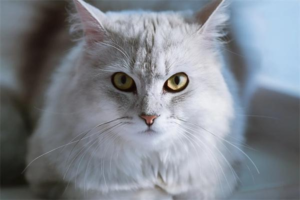
What Causes Cat Acne?
Cat acne, often called cat chin acne, is a common skin condition with no fully clear cause, though follicle inflammation and bacterial infection are the main suspects. Cats that eat wet or greasy food are more prone, and flat-faced breeds are at higher risk. It appears on the chin, neck, and face, and if the face is not kept clean, food residue builds up and clogs follicles. Left untreated it worsens. Treatment controls symptoms and removes the cause: ease stress, use topical and oral antibiotics as needed, keep the skin clean, and cut fat and carbs while adding vitamins A and E. Prevention focuses on hygiene and diet.

Why Is Your Rabbit Losing So Much Fur?
Heavy fur loss in rabbits can come from several causes, shedding season, poor nutrition, environment, parasites, or skin disease, so identify the cause before treating. Daily, brush and clean the coat to reduce loose fur, feed a balanced diet with enough protein, vitamins, and minerals, and keep the habitat dry, clean, and ventilated to avoid skin and parasite problems. If hair loss comes with other signs like itching, redness, or poor appetite, take the rabbit to a veterinary clinic for checks and treatment.

Ringworm in Cats and Dogs: Symptoms and Treatment
Ringworm, or dermatophytosis, is one of the most common skin diseases in pets, caused mainly by Microsporum canis, M. gypseum, and Trichophyton mentagrophytes. It matters for public health because most strains are zoonotic, survive for three to four years in dry conditions, and resist ordinary disinfectants. Infection spreads by contact or contaminated objects, peaking in warm, humid weather. Signs are round patches of hair loss, redness, and scaling, usually without itch. Treatment uses topical and, for widespread cases, oral antifungals, plus environmental cleaning. This guide covers the cause, signs, and care.

What Every Dog Owner Should Know About Pancreatitis
Canine pancreatitis happens when digestive enzymes activate too early and the pancreas essentially digests itself, causing severe inflammation. Rich human food, obesity, toxins, and certain breeds raise the risk, and moderate-to-severe cases can be fatal. This guide covers causes, the telling 'praying' posture, diagnosis with pancreatic tests, treatment, and diet-based prevention.

Lice on Cats and Dogs: Symptoms, Risks, and Treatment
Lice peak in winter, especially in January, when thick coats let them breed undisturbed. They strike young, stray, and undernourished pets, causing itching, restlessness, hair loss, and in heavy infestations anemia and weakness. Two main types live on pets: blood-feeding sucking lice and coat-chewing lice, each with its own species on dogs and cats. Lice are host-specific and do not infect people, though fleas from pets can. This guide covers the types, the harm they do, how they are diagnosed, and how to treat and prevent them.