Search Results
1916 results for “pica”
What Does Ringworm Look Like Under a Wood’s Lamp?
When a cat loses fur, flakes, or develops bumps, many owners grab a flashlight to check for ringworm—but a normal torch shows nothing. Only a Wood's lamp makes the fungus fluoresce, and even then you can be fooled by false positives. Learn what true apple-green glow looks like, the classic symptoms, and why a negative lamp never rules ringworm out.

What Are the “Old Three” Fish-Keeping Remedies?
The "Old Three" is a classic, must-know technique every fish keeper should learn, and the go-to treatment when fish fall ill. It rests on three simple, low-stress steps: water change, raising the temperature, and adding salt. Regular water changes flush out waste, pathogens, and parasites to keep the tank clean. A modest temperature bump speeds up the fish's metabolism and boosts its immunity. Salt—used at a low concentration—shifts the water's osmotic pressure so bacteria struggle to enter the body and the fish's organs work less hard. Together these measures support recovery and protect your fish's long-term health.

Bichon Frise: Pros and Cons to Consider Before Adopting
The Bichon Frise is a small, fluffy, friendly companion that rarely sheds and suits apartments and families. But it is not the easiest breed to live with: tear stains are almost inevitable, its curly coat needs constant grooming, it is prone to separation anxiety, and its delicate constitution means sensitive digestion and frequent dental issues. Weigh these pros and cons before bringing one home.

What Are Dogs Most Likely to Be Allergic To?
Allergies are common in dogs, and the usual triggers fall into three groups: food, environmental factors, and parasites. Food allergies often show up as itchy skin, digestive upset, and general discomfort—some dogs react to dairy, eggs, chicken, or gluten-rich grains like wheat and corn. Environmental allergens such as pollen, dust, mold, mites, and certain pet products can cause sneezing, breathing trouble, itching, and stomach issues. Parasites like fleas and mites provoke relentless scratching, licking, and biting that can damage the skin and lead to infection. Once you identify the trigger, the response is targeted: remove the offending food, reduce allergens at home through regular cleaning, limit outdoor exposure during high-pollen seasons, and keep up a consistent deworming schedule. For severe cases, a vet may prescribe relief medication or recommend immunotherapy to build tolerance.
How many kittens does a cat usually have in her first litter?
A first litter typically ranges from 1 to 8 kittens, most often 3 to 6. Litter size depends on the mother's build and the pair's fertility.
How to Care for a Dog with Pancreatitis
Pancreatitis is a high-risk digestive emergency, especially common in overweight middle-aged and senior dogs, and it often returns even after recovery — so proper home care matters as much as treatment. During a flare-up, withhold food and water immediately and see a vet; never self-medicate. After discharge, feed a prescription diet under 10% fat (regular food is 15–20%+), split into 4–6 small meals, and strictly avoid all high-fat foods such as fatty meat, organ meats, fried food, and rich treats. Keep your dog warm to protect the abdomen, allow only gentle short walks, follow the medication plan exactly, and return for regular pancreatic checks. Controlling weight is the best prevention — obese dogs are over three times more likely to develop pancreatitis.
What are the symptoms of feline panleukopenia (cat distemper)?
Signs include abdominal pain, lethargy, bloody diarrhea, fever and vomiting. The most acute form damages the intestines and lowers white cells, often killing the cat within 24 hours.

How to Tell If Your Cat Is Full?
Many cat owners worry their pet is still hungry and keep topping up the bowl, but overfeeding causes indigestion and obesity. To judge whether a cat has eaten enough, watch its post-meal behavior: full cats groom themselves, leave the feeding area, and settle in a sunny, comfortable spot to rest, while hungry cats linger near the food. In multi-cat homes, satisfied cats may even groom each other. Free-fed cats show weaker cues because constant access lowers food excitement. Note that two behaviors are NOT signs of hunger: guarding the food storage (common in newly arrived, unsettled cats) and showing interest in your own meal (an opportunistic scavenging instinct). Control daily portions by age, health, and appetite to keep your cat at a healthy weight.
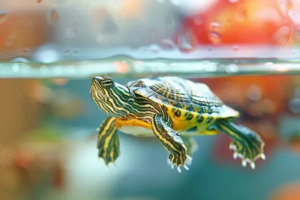
Which Turtles Are Cheap and Easy to Keep?
Popular pet turtles that are both affordable and easy include the Chinese pond turtle, red-eared slider, painted turtle, Burmese tortoise, yellow-spotted side-neck, Mississippi map turtle, flame turtle, mud turtle, and musk turtle. They resist disease and suit beginners. The Chinese pond turtle is native, interactive, and trainable; the red-eared slider is cheap, easy, and long-lived beyond twenty years; the yellow-spotted side-neck is colorful but needs a heater above 30 degrees as a tropical species.

How to Get a New Silver Arowana to Start Eating
The silver arowana is a premium tropical fish that needs patience; a new fish should rest and adjust before it feeds. Keep the water clean and stable, hold the temperature at 25 to 28 degrees Celsius with a heater, and offer high-protein food such as fresh fish or quality pellets while watching which it prefers. Give a quiet, calm environment with minimal disturbance, and if it refuses food for a long time, a little aquarium salt can curb bacteria and fungi and spark appetite.