Search Results
252 results for “phosphorus”

Does Calcium Deficiency Reduce a Dog’s Appetite?
Like people, dogs can run low on calcium from poor nutrition or weak digestion, which can indirectly affect appetite. How to improve it? This article covers the causes and solutions.

Can Cats Eat the Food You Eat?
Many owners soften when their cat begs for food with a pitiful look. While that's natural, some human foods are dangerous for cats and can cause health problems if eaten. Before sharing your food, learn which human foods are safe and which are not. Here we discuss which people foods cats can eat.

What to Do If a Cat Vomits After Eating Chestnuts? Can Cats Eat Chestnuts?
A cat stole chestnuts and vomited - what now? Cats are carnivores but curious about other foods, and their fragile guts often react with vomiting or diarrhea. This article explains whether cats can eat chestnuts and what to do after vomiting.

Causes of Postpartum Feed Refusal in Does
Postpartum feed refusal has become a major obstacle in rabbit farming. A doe that won't eat produces less milk, so kits get inadequate nutrition, weakening immunity, slowing growth, even causing death. This article analyzes the causes.
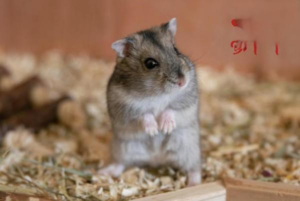
Treating Hamster Urine Calcium (Calciuria)
Milky or chalky urine can mean excess calcium, but in teddy bears it's often normal. This guide explains the real signs of calciuria, its causes, and the diet fix.

Think Kidney Failure in Dogs Is Rare? Think Again
Canine kidney failure is common—the 4th leading cause of dog death. Unlike cats, it often follows periodontal bacteria or heart disease. Signs are more drinking/urinating, mouth ulcers, anorexia, and weight loss. Manage with diet (controlled phosphorus and protein) and supervised feeding.

What Are the Signs of Dog Kidney Failure, and How Is It Treated?
Early signs are dehydration, diarrhea, odd urine, thirst, drowsiness, vomiting, and weight loss; long-term brings bleeding, high blood pressure, blindness, lung fluid, and seizures. Treat by cause with fluids, blood-pressure drugs, diet, and anemia care; avoid high-phosphorus food.

The Key to Preventing Rabbit Rickets
Balanced nutrition and moderate exercise are the keys to preventing rabbit rickets. This guide covers the daily measures and the cod-liver-oil and calcium-injection treatment.

Rabbit Rickets (Osteomalacia)
Rickets, or osteomalacia, is a nutritional metabolic disease common in rabbits, especially pregnant, nursing, and young ones, driven by calcium deficiency, poor calcium-phosphorus balance, or low vitamin D. This guide covers the causes and prevention.

Symptoms and Prevention of Rabbit Rickets
Rabbit rickets comes from calcium deficiency or a skewed calcium-phosphorus ratio in the feed. This guide lists the symptoms — bent bones, weakness, pica — and the prevention steps: balanced feed, sun, and exercise.