Search Results
111 results for “pheromone”
What happens if you keep a cat in a cage?
A cat that has never been caged may become anxious and cry frequently, even scratching at the door to escape. Help it adjust by placing favorite toys inside and using pheromones, and keep the first session short.

Why Does My New Puppy Keep Shaking?
A new puppy that shakes is usually just stressed or cold — it hides, curls up, ears back, tail tucked, and eats little for 1–3 days, then settles. A warm, quiet space helps; but if shaking comes with weakness, vomiting, or pale gums, see a vet for low sugar or infection.

My Dog Won’t Poop or Pee in a New Home — What to Do
A dog that holds its pee and poop for 12–24 hours after a move is usually just stressed — a normal self-protective response. Set up a small, quiet, familiar space, use its own scent to mark the new toilet spot, and see a vet if it goes over 36 hours or seems unwell.

Can Cats Get Post-Traumatic Stress Disorder (PTSD)?
Cats can develop PTSD after trauma such as abuse, abandonment, accidents, or attacks, showing as fear, aggression, trembling, hiding, inappropriate elimination, and jumpiness that can surface months later. Recovery is usually possible with a calm safe space, desensitization training, and sometimes medication and supplements — patience is key.

Can Cats Tell Men and Women Apart?
Cats don't grasp the social idea of gender, but they do tell people apart by scent, sound, and body size. Their smell is about 14 times keener than ours, picking up human hormones and pheromones — including pregnancy and menstrual changes — so a cat may sense a woman is pregnant or cycling before she realizes it.

Why Does My Cat Keep Trying to Escape Outside?
A cat bent on the door is usually driven by curiosity and territory, heat (intact cats seeking to mate, with yowling, spraying, low appetite), boredom in a dull home, or stress from new pets, noise, or change. Enrich the space with a window perch and rotating toys, play it tired daily, spay/neuter around 6 months, keep it calm, secure the windows, and only leash-walk if it doesn't stress. Letting it roam risks loss, fights, disease, and traffic.
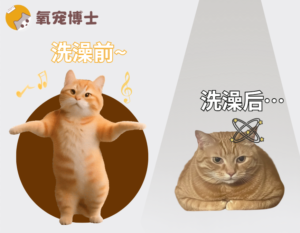
My Cat Is Lethargic After a Bath — What to Do
A cat that's lively before a bath but limp and motionless after is usually having a stress response — most cats hate water, and the tension spikes heart rate and blood pressure, burning energy they then recover by lying still (with hiding, over-grooming, low appetite, or shivering). Dry and warm it, give a quiet dim room and a pheromone spray, and watch; if vomiting, diarrhea, or no eating beyond 24 hours appears, see a vet.
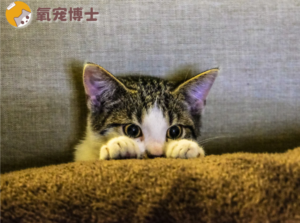
Helping a Cat Through Moving Stress
After a move a cat may hide, pant, stop eating, or even develop feline idiopathic cystitis from stress. Set up a quiet 'safe base' with its familiar bed, toys, and scent, run a synthetic pheromone diffuser, and speak and pet gently without forcing it out. If it refuses food and water over 24 hours, vomits, strains to urinate, or breathes fast with pale gums, see a vet — adapting can take 1–2 weeks.

How to Read (and Lift) a Cat’s Bad Mood
An unhappy cat may go quiet and hide, eat less, over-groom or stop grooming, urine-mark, or lose interest in toys. Cheer it up with company, brushing, treats, and praise; cut stressors and keep a calm routine; a plug-in pheromone diffuser helps. A cat mirrors your mood, so stay calm — and remember that lasting low mood can cause urinary blockage or weight loss.

Why Is My House-Trained Dog Peeing Indoors?
A house-trained dog that suddenly pees indoors often has a medical cause — a UTI, bladder stones, cognitive decline, kidney disease, diabetes, or Cushing's — or a psychological one like separation anxiety, stress, or fear from past scolding. Rule out illness first with a urine and ultrasound check, then rebuild security with routine and calm alone-time training.