Search Results
111 results for “pheromone”
The Secret Behind Why Cats Knead
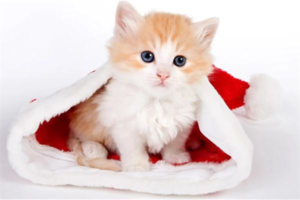
Kneading is a habit cats form as nursing kittens, pressing the mother's belly to draw milk while feeling warm and safe. Many keep it into adulthood as a way to communicate comfort and affection. There's even an evolutionary angle: scent glands in the paws release pheromones during kneading that signal bonding and can calm aggression. When your cat kneads you, stay quiet, don't grab the tail, and let it express its love. This article uncovers the reasons and the gentle way to respond.

Why Cats Pee on the Bed and How to Stop It
Bed-peeing falls into three types: normal inappropriate elimination, stress peeing (literally scared into it), and urine marking (spraying). You can tell them apart by the stain—round with digging for normal, a few drops with no digging for stress, and a vertical streak with raised hips for marking. Clean with enzymes to remove the scent pheromone that invites re-marking, spray deterrent, then fix the root cause: litter training, reducing fear through socialization, and easing the anxious, rejected cat.
Stopping Your Cat from Scratching Furniture
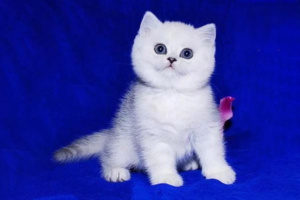
A new cat owner's nightmare is shredded sofa, but scratching is instinct you can't stop—only redirect. Cats scratch to sharpen claws (shedding old keratin) and to leave scent from paw glands for security, and sometimes to demand attention. Correct by teaching 'don't' with instant, firm interruption, supplying scratching posts near the furniture, and protecting pieces with anti-scratch film or deterrent spray. Education comes first; barriers are backup.

How to Prevent Tape-Sticking Stress in Cats
If a cat steps on tape or gets sticky paper on a front paw, it shakes the limb frantically, panics, and bolts—because the paw pads are vital for shock absorption, sweat-cooling, scent marking, and balance. Losing that sense is disorienting, even nauseating. You can desensitize the cat with gradual training: while petting to keep it calm, wrap tape on the paws, then soothe until it stops shaking, repeating until it calmly removes the tape with its mouth. Household 'sticky traps' then cause far less chaos—and less furniture damage.
Why Cats Get the “Poop Zoomies”
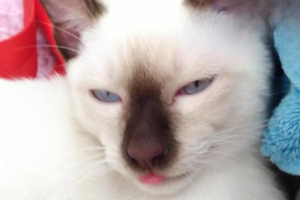
That burst of speed and chaos right after a cat uses the litter box has a name: the "poop zoomies." It is just a behavior, not a disease, and is common in cats but not dogs. No treatment is needed — though if it knocks things over, move the box somewhere safer. Watch for look-alike conditions: hyperthyroidism in older cats (hyperactive at other times too, eating more but losing weight) or pain on elimination from cystitis or blocked urethra. The zoomies likely trace to a wild instinct — the litter box is the most vulnerable moment, so run fast afterward.

What Are a Dog’s Social Behaviors?
Dogs rely on a rich set of social behaviors to communicate and bond with one another. Their primary channel is scent: by sniffing each other's hindquarters, ears, and tails, dogs read information about age, sex, health, and social status, then decide whether to be friendly or hostile. They also use body language—eye contact, vocalizations, and posture—to express emotion and intent. Play behaviors like chasing, mock biting, and mutual sniffing build social skills and trust, while some clever dogs even share food to signal friendship and deepen bonds. Understanding these behaviors helps owners read their dog's social world.
Is a Cat in Heat in Pain When It Won’t Stop Meowing? How to Soothe It
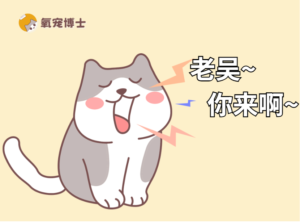
A cat that yowls through heat is genuinely uncomfortable, though not in physical pain—hormone swings bring anxiety and a strong drive to mate, and the loud calls are an instinct to attract distant partners. You can't switch it off, but play, pheromones, warmth, and a calm dim space ease the distress. Spaying is the only lasting cure.
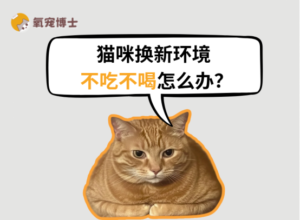
Cat Won’t Eat or Drink in a New Home? What to Do
A cat that refuses food and water after a move is reacting to stress, not being difficult. Short refusals of a day or two are usually mild, but beyond 48 hours the risk of fatty liver rises, and beyond 72 hours you should call a vet. The fix is to lower stress—familiar scents, the same food, a calm presence—never force-feeding, which makes things worse.
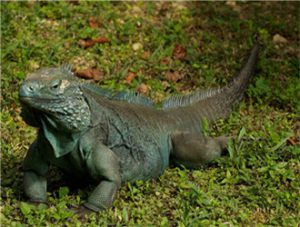
Grand Cayman Blue Iguana
The Grand Cayman Blue Iguana (Cyclura lewisi) is a critically endangered rock iguana endemic to Grand Cayman. A hardy, docile giant reaching 1.5 m and living 40–69 years in captivity, it needs strong UVB and a hot, dry enclosure.

What to Do When Your Dog Refuses to Toilet at Home During Quarantine
Dogs trained to relieve themselves outdoors often refuse to go at home during lockdown. Help them by setting up a familiar toilet spot with pee pads, adding their own scent, mimicking outdoor ground, and encouraging water intake—and ease their stress with play.