Search Results
15 results for “petting aggression”

Blue-headed Macaw
The Blue-headed Macaw is the most expensive of the small parrots, mainly because of its scarcity, low popularity, and obscurity—truly a case of rarity commanding a premium. In captivity it is easily tamed and quite robust, adapts well, and like other macaws loves to chew and is destructive, so regular bathing keeps its plumage healthy. It suits a fairly roomy, flight-capable aviary.

Do Dogs Get Jealous? Signs and What to Do
Dogs form strong emotional bonds and can show jealousy when attention goes to another pet or person. Common signs include sulking, clinginess, aggression toward the rival, destructive revenge, or withdrawal — and the best response is fair, consistent attention rather than punishment.

Why Does a Cat Suddenly Bite Your Hand While Being Petted?
Many owners know the scene: the cat is enjoying a massage, then suddenly bites your hand. Here is why.
How Can I Tell an Alaskan Malamute Is Scared?
A scared Malamute trembles, tenses, becomes alert, drops its tail, crouches, and hides; approaching may trigger aggression. Calm it with petting and treats if startled by noise; if scared from being hit, give space and soothe gently later.

What Are the Signs of an Unhappy Rabbit?
An unhappy rabbit may show reduced appetite, destructive behavior, less activity, and more aggression. Causes include too little food or being ignored - a hungry or neglected rabbit gets upset. Respond to the cause to ease its negative mood.
Why did my cat suddenly become aggressive?
A sudden change to aggression needs case-by-case judgment. If it happens while you're petting, you may have another cat's scent or some odor on you — cats dislike strange smells, so wash your hands before petting. It can also be from being startled; calm the cat and place it in a quiet space. Strangers or new pets at home can also trigger aggression.
Where Cats Don’t Like to Be Touched
Most cats dislike being touched on the belly, paw pads, tail, and ears — especially the belly, which protects vital organs and feels vulnerable. They generally enjoy the top of the head, chin, cheeks, back, and base of the tail. Always read your cat's body language and stop if it shows discomfort.

How to Comfort a Cat After It Gets Scared
Move a scared cat to a quiet, enclosed space (a bedroom or carrier) with its familiar blanket and toys, close doors and curtains, and use a pheromone spray. After it settles, crouch about a meter away, offer a finger for it to sniff, then pet the forehead or chin. Keep the home calm for 24 hours. Watch for signs of true stress — not eating, vomiting, or straining to urinate — and see a vet if they appear.

Yes, Cats Get Jealous: 5 Signs to Watch For
Cats may look aloof, but they do feel jealousy, rooted in a strong sense of ownership. When a new pet arrives or you focus on another animal, a cat may fixate on the "rival" while emitting a low growl. Some cats act out by spraying, destroying things, or fighting; others go quiet, hide, and refuse food. That withdrawal reflects sadness and anxiety, and if ignored it can harm health, lowering immunity, causing weight loss, or triggering feline idiopathic cystitis. The good news is that jealousy means your cat cares; more one-on-one time and a slow introduction of newcomers resolve most cases.
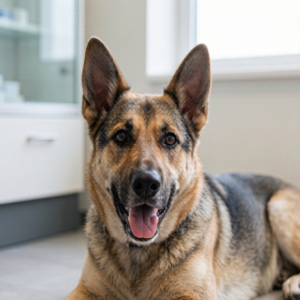
How to Show Your Dog You Love It (in a Language It Understands)
Dogs may not speak, but their emotional world is rich. Brain-imaging work at Emory University shows a dog's brain reacts to its owner's voice and scent in areas similar to where humans process emotion, so your affection is a real signal your dog can feel. You can speak its language through soft eye contact (which raises oxytocin in both of you), calm pressure-petting, high-engagement play, frequent praise, leaving a scented item in its bed, and keeping a predictable routine. These small daily acts lower stress and deepen the bond far more than words alone.