Search Results
888 results for “pet vomiting causes”

What to Do When Your Dog Has Blood in Its Stool
Blood in a dog's stool can come from something mild like a sudden food change, or from serious issues like gastroenteritis, an intestinal tear, or infections such as parvovirus. Match the cause to the right response, and see a vet whenever the bleeding is severe or unexplained.

Why Your Dog Won’t Eat and What to Do
A dog skipping meals is often harmless — teething, heat, or pregnancy can suppress appetite temporarily — but it can also signal illness, picky behavior from too many treats, or gastritis from eating plants. Fix the feeding routine, offer tasty nutritious food, and see a vet when sickness is the cause.

What to Do When Your Cat Sneezes and Has a Runny Nose
A cat cold usually starts from a chill, and if it drags on for over a week it needs real attention—left alone it can lead to coughing, dehydration, or low fever. Check the temperature, keep the cat warm, rule out serious illness, and support recovery with food and fluids.
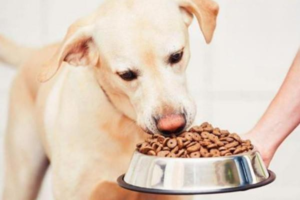
What to Do When a Dog Vomits and Won’t Eat
A dog that vomits and refuses food can have anything from a swallowed bone to a viral infection. Read the vomit — undigested food points to indigestion, yellow bile hints at a virus, and any other color may mean bleeding — and see a vet for the serious patterns.

What to Do When Your Dog Won’t Eat and Vomits
A dog that skips meals and vomits deserves attention. The vomit's look points to the cause — undigested food suggests overeating or hard-to-digest meals, while frequent vomiting with no appetite can signal infection or gut inflammation that needs a vet.

Canine Gastroenteritis
Gastroenteritis is inflammation of the stomach and intestinal lining, showing up as digestive upset, abdominal pain, diarrhea, fever, or toxemia. It can be primary or secondary, and the main job at home is to rest the gut, then reintroduce food and water carefully.
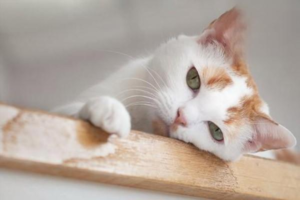
How to Treat Cat Gastroenteritis
Gastroenteritis is common in cats—their digestion handles grains and sharp bones poorly, and spoiled food can trigger acute gastritis. Signs are vomiting, diarrhea, lethargy, appetite loss and dehydration. Withhold food briefly for mild cases, but persistent symptoms, especially in kittens, need a vet.

What to Do When Your Cat Has Watery Diarrhea
Watery diarrhea in cats can signal anything from routine enteritis to serious feline panleukopenia, and the right treatment depends on the underlying cause. Bloody stool, vomiting, fever or weakness means urgent veterinary care. Supportive care at home helps only once the cause is identified.
- « Previous
- 1
- …
- 87
- 88
- 89