Search Results
299 results for “pet supplements”

Hip Dysplasia in Dogs and Cats: Symptoms, Treatment, and Prevention
Hip dysplasia is a hereditary developmental disorder of the hip joint influenced by genetics and environment, common in large breeds such as shepherds and setters. Progressive laxity and deformity cause lameness, reluctance to rise, and a characteristic 'bunny-hopping' gait; management is conservative with weight control and pain relief, and surgery is considered case by case.

Elbow Dysplasia in Dogs and Cats: Symptoms, Treatment, and Prevention
Elbow dysplasia is a group of inherited developmental elbow joint diseases - ununited anconeal process, fragmented medial coronoid process, and osteochondritis of the medial humeral condyle - driven by genetics and rapid growth. It causes forelimb lameness, a reluctance to walk, and sometimes a crackling joint sound. Weight control, pain relief, and surgery in severe cases are the mainstays.

Patellar Luxation in Dogs and Cats: Symptoms, Treatment, and Prevention
Patellar luxation is displacement of the kneecap out of its trochlear groove, common in small breeds such as Toy and Pomeranian dogs and usually from a congenital conformational defect or trauma. It causes a sudden inability to extend the knee and a skipping, hopping gait that may self-correct. Mild cases are managed conservatively; severe ones need surgery.
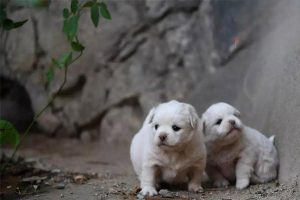
Hip Dislocation in Dogs and Cats: Symptoms, Treatment, and Prevention
Hip dislocation is separation of the femoral head from the hip socket, usually from trauma such as a car accident, a fall, or a forceful pull on the hind limb. It causes a shortened, rotated leg and a hopping or dragging gait; it is corrected by closed or surgical reduction and strict rest, since it tends to recur.

When Your Dog Pants After a Short Walk: A Heart-Health Warning
Panting after brief exercise can be normal, but a formerly active dog that tires after a few steps, pants without exertion, coughs at night, or shows blue gums may have heart disease. Veterinary heart assessment and early care greatly slow progression.
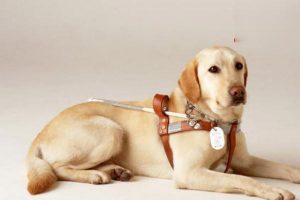
Malabsorption Syndrome in Dogs and Cats
Malabsorption syndrome covers several diseases in which the small intestine cannot absorb nutrients. Pets lose weight despite a good appetite, pass fatty stools and may become anaemic; treatment targets the underlying cause and a special diet.

Myxoedema (Hypothyroid Dermatosis) in Dogs and Cats
Myxoedema is a hypothyroid disorder in which mucinous material accumulates in the skin and tissues. It causes obesity, marked hair loss, lethargy and cold intolerance, and is treated mainly with thyroid hormone replacement plus skin support.

Hyperlipidaemia in Dogs and Cats
Hyperlipidaemia is a metabolic disorder in which blood fats such as cholesterol and triglycerides rise above normal. It often accompanies hypothyroidism, diabetes or obesity, and is managed by correcting the underlying disease and feeding a low-fat diet.
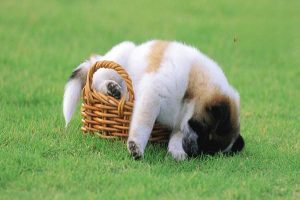
Zinc Metabolism Disorders in Dogs and Cats
Zinc metabolism disorders in dogs and cats include zinc deficiency, stunted growth, diarrhea, and a crusting dermatitis around the eyes, mouth, and genitals, and zinc excess, causing lethargy, vomiting, and gut inflammation. Deficiency is corrected with dietary zinc and a balanced ration.

Vitamin A Toxicity (Hypervitaminosis A) in Dogs and Cats
Vitamin A toxicity in dogs and cats follows prolonged over-supplementation with vitamin A or liver-heavy diets, suppressing bone-forming cells and causing periosteal bone spurs, pain, and lameness. It is reversed by stopping excess vitamin A and providing supportive joint care.