Search Results
299 results for “pet supplements”

Dalmatian
The Dalmatian, originating in Yugoslavia, is famous for its distinctive spotted coat and is commonly called the Spotted Dog. A breed of great endurance and speed, it served 19th-century nobility as a carriage guard dog, earning the nickname 'coach dog.'

Canaan Dog
The Canaan Dog is an ancient Middle Eastern breed, curious yet aloof, once used as a guide dog and now valued for herding, guarding, tracking and rescue work.

Havanese
The Havanese is a small, short-legged companion dog from Cuba with long, soft hair and a merry, affectionate nature. Friendly, gentle, and sensitive, it is an ideal family pet and devoted to its owners.

Old English Sheepdog
The Old English Sheepdog is a large, shaggy British herding dog with a gentle, clownish disposition. Friendly and devoted, it is a beloved family companion and willing watchdog.

Gordon Setter
The Gordon Setter is a Scottish gundog from the 17th century, recognized by its black-and-tan coat. A beautiful, intelligent, and hardworking hunting dog, it is alert, cheerful, confident, and deeply loyal.

French Bulldog
The French Bulldog is a small-to-medium, muscular, and compact companion dog from France with a lively, curious personality. Affectionate and quiet, it is well suited to apartment living and family life.

Pharaoh Hound
The Pharaoh Hound is an ancient Maltese breed prized for its noble looks, amber eyes and keen hunting instinct. Alert, affectionate and playful, it is a gifted rabbit-hunting dog and devoted companion.
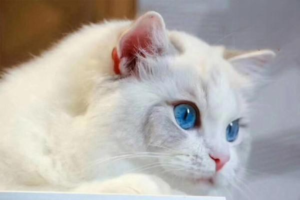
What to Do When a Pregnant Cat Vomits?
Vomiting during cat pregnancy can be normal morning sickness or a sign of indigestion or gastroenteritis. Because pregnant cats should not be given medication casually, the safest fixes are small frequent meals, a careful food transition, and probiotics.
What should I do about postpartum low blood calcium (eclampsia) in my dog?
Postpartum hypocalcemia is a serious condition in which calcium is depleted through nursing, causing calcium levels to drop sharply. Symptoms include weakness, poor appetite, limb weakness, and seizures, which can be life-threatening.
What Causes a Cat’s Limb Weakness?
Limb weakness may be from poisoning, calcium deficiency, or disease. Normally cats walk lightly; calcium deficiency causes weak hind legs, unsteady gait - supplement calcium and aid absorption (calcium-rich food, supplements, sunlight). Poisoning or panleukopenia also cause weakness - see vet.