Search Results
799 results for “pet smell”
My dog has no appetite, is lethargic, lies down, has a slight fever and bloody, foul-smelling stool – could it be distemper?
Those signs may come from canine parvovirus or distemper, both serious. See a vet for diagnosis; confirmed parvovirus needs hospitalization with antiviral and supportive care.
Started vomiting yesterday, poor appetite, stool firm then loose with a foul smell, temperature 39.8°C.
Based on your description — vomiting, poor appetite, fever, diarrhea — these are typical signs of distemper, possibly an infection. Test with a canine distemper strip; if both C and T lines turn red or purple, the dog is infected. Distemper is highly contagious with over 80% mortality, so see a vet urgently.
My Cat Has Poor Appetite and Low Energy, Keeps Urinating, Drools Thick, Sour-Smelling Saliva
Persistent thick drool has many causes - stomatitis, oral disease, GI disease (gastritis, esophageal foreign body), toxin ingestion, bitter or irritating substances, drug side effects, stress. If stable and sour-smelling, maybe licked acidic household substance - rinse mouth with water and observe. If drooling persists with abnormal behavior (lethargy, no eating, abnormal elimination), gather info and go to vet promptly; don't delay.

Do Rabbits Smell Bad? How to Handle Pet Odor at Home
Rabbits are clean animals that groom themselves, and as herbivores their droppings are not very smelly, so indoor rabbits usually cause little trouble. Still, some situations smell; here is why and what to do.
Do pet pigs smell bad?
Pet pigs generally don't smell; they have little body odor and are clean. Train them to use a litter box, wipe daily with a warm towel, and clean feces promptly to avoid odor.

Why Does Your Pet Rabbit Smell?
A strong rabbit odor can come from diet, poor hygiene, health problems, or sex differences. To reduce it, manage the diet and living space, clean the rabbit appropriately, and check its health regularly. Most odor comes from urine and droppings, so clean the habitat often to stop them from lingering.

Pet Skin Diseases (Part 1): Parasitic and Fungal Infections
Skin disease is common in dogs and cats and tends to flare up and recur, usually because their skin defenses are weak and their surroundings are full of triggers. The two hardest types to clear are external-parasite infestations (fleas, lice, mites, ticks) and fungal infections (ringworm); both cause intense itching, hair loss, and skin damage and need treatment of both pet and environment. Since they are contagious and slow to resolve, early veterinary care and consistent parasite control are the keys to recovery.

How to Make Egg-Yolk Chicken-Breast Floss for Pets
This protein-rich topper uses chicken breast and egg yolk; go easy on the yolk to avoid heat, shred the breast finely, and stir constantly while pan-drying so it does not burn.
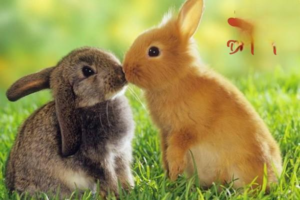
The Benefits of Keeping a Pet Rabbit
Pet rabbits — dwarves, lops, Dutch and more, under 2.5 kg, living 7–10 years — are gentle, nearly odorless, quiet, and smart enough to learn their name and litter habits, making calm nocturnal companions. Keep them in a half-meter cage in an open spot, and feed mainly hay plus quality pellets (no fresh food under 2 months; hay as the adult staple). Bonding takes effort, but the reward is years of quiet company.

How to Get Rid of Dog Smell at Home
Most dog odor at home is the natural skin oil (sebum) your dog sheds onto the sofa, bed, and your clothes — bathing can't stop it, so clean the sources: sun and wash the bed, vacuum often, and wipe floors with baking soda. For urine and waste, an enzyme cleaner breaks down the odor-causing proteins, and a sprinkle of baking soda left 20 minutes then vacuumed tackles soft furnishings (skip leather).