Search Results
65 results for “pet safe disinfectant”

Which Disinfectants Are Non-Toxic to Pets
Disinfectants are practically a household necessity, especially during a pandemic. Let's first learn about the common disinfectants used in our homes.
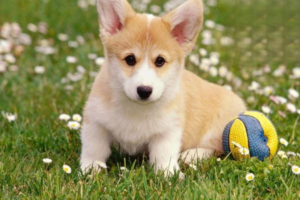
Cleaning and Protection Tips for Pet Households
Owners ask how to clean with pets. Pet smell is keen - some dogs' is a million times human. So unless needed, the principle is heavy cleaning, light disinfecting. A fully cleaned surface hardly breeds germs; irritating disinfectants like 84 stimulate pets' airways and can be fatal if licked. Over-disinfecting helps no one.

Pet Disinfection and Deodorization: A Review
Surveys show people spend 70-90% of their lives indoors, so indoor air quality is directly tied to health. Odors are generally harmful, causing headaches and nausea and especially affecting the sense of smell. Pet households often have strong smells, made worse in damp spring weather.

How to Choose the Right Disinfectant for Dogs and Cats
Should a pet home be disinfected? Yes. Here is how to pick a product that is safe for dogs and cats.

Choosing Disinfection Methods for Pet Households
Daily disinfection in pet homes matters for both pet hygiene and owner health. This article covers how to choose.

How to Choose a Disinfectant for Pet Homes
Home disinfection is essential, especially with pets, but choice matters - many ingredients harm pets. This article covers how to choose.

Can Keeping a Pet Hamster Give You the Plague?
Pet hamsters don't carry plague bacteria—they live caged and isolated from wild rodents, and no cases are reported. But they can carry other bacteria and parasites, so keep clean, use gloves, treat bites, and watch their health.

How to Keep a Clean, Healthy Home With Pets
Clean daily: vacuum shed fur, do a weekly deep clean and disinfect, and keep air flowing. Bathe regularly, wipe the anal glands and paws, and disinfect shoes and pet items to stop bacteria and odors from building up.
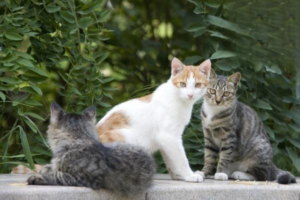
How to Safely Disinfect Your Home With Pets
During outbreaks, many homes reach for alcohol and chlorine disinfectants, but used wrong they can harm pets. Only 70 to 75 percent alcohol is right for home use, and it should be wiped on a cloth, never sprayed on a pet. Chlorine products are strong and some cats love the smell, so dilute strictly and keep pets away. UV lamps kill viruses but must run in an empty room. The rule throughout: keep your furry friend in another room until surfaces are rinsed.

Enrofloxacin for Pets: What It Treats and Key Safety Notes
Enrofloxacin is a third-generation fluoroquinolone antibiotic made for animals. It works by blocking a bacterial enzyme needed for DNA replication, and it is commonly used for urinary, reproductive, digestive, and skin or soft-tissue infections in dogs and cats. It is prescription-only: typical oral dosing is 5–10 mg/kg per day, and several groups should never receive it. Always follow your veterinarian's plan.