Search Results
318 results for “pet pregnancy”
Symptoms and causes of pseudopregnancy in dogs
False pregnancy signs mirror real pregnancy: swollen breasts, red nipples, changed appetite, lethargy, vomiting, nesting, enlarged belly. It comes from long heat cycles causing hormone imbalance or poor mating, and usually resolves on its own. Withhold food 24h / water 10h to ease swelling, then resume diet gradually.
How long is a cat’s pregnancy?
A queen's gestation is about 63 to 66 days, shorter with larger litters. By 6 to 7 weeks the belly grows, appetite and urination rise, heat stops; milk may leak a day before birth. Labor lasts hours to about 24 hours.

The Downsides of Owning a Pet
Pet ownership brings costs, time, shedding, odor, zoonotic-disease risk, bites, noise, lost sleep, and the pain of saying goodbye (dogs live 10-15 years, cats 12-18). Think it through before you commit — and once you do, take responsibility for life.

Do Dogs Get Morning Sickness During Pregnancy?
Pregnant dogs can indeed experience morning sickness, a normal response to hormonal changes and the growing litter pressing on the stomach, usually most noticeable around 1–2 weeks into pregnancy. The symptom is generally mild and needs no treatment, but severe or persistent vomiting warrants a trip to the veterinarian to rule out other health problems.
What is the difference between a false pregnancy and a real pregnancy in cats?
False pregnancy causes mammary development and milk without a growing belly, while a truly pregnant cat's abdomen visibly enlarges and produces milk only near delivery. An ultrasound confirms it.

Signs of Pregnancy in Rabbits
Pregnant rabbits often grow quieter and lazier, eat and drink more, gain weight, and may turn protective or irritable; around days 10 to 15 they start nesting by digging, chewing, and gathering bedding. In the final stretch the mammary glands enlarge with pink areolae, and a vet can confirm pregnancy by ultrasound or palpation. House the doe calmly with enough space, and separate her from other rabbits to avoid fights.

Signs of Pregnancy in Guinea Pigs
A pregnant guinea pig stops going into heat and avoids the male. Appetite and belly size grow, the mammary glands swell as milk production prepares, and in late pregnancy the abdomen is obvious and movement slows. Because guinea pigs are small, signs are subtler than in larger mammals. Confirm with a vet if you suspect pregnancy. During gestation, feed high-quality hay and pellets with enough protein, vitamin C, and calcium; keep the space quiet, dry, and warm; watch weight and behavior; limit stress; and stay in touch with a vet for prenatal checks.

False Pregnancy in Dogs and Cats
False pregnancy is a hormone-driven syndrome in which an unbred female shows pregnancy-like signs such as nesting, lactation, and behavior change. Mild cases resolve on their own, but pyometra must be ruled out; hormone therapy or spaying helps recurring cases.
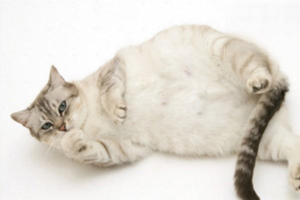
Helping Your Pregnant Cat Through a Safe Pregnancy
Many owners have never dealt with a pregnancy, so a pregnant cat can be puzzling. The essentials are steady calcium, a quiet space, gentle movement, careful handling, and balanced nutrition. Getting these right helps the queen and her kittens stay healthy.

Helping Your Dog Through a Safe Pregnancy
A pregnant dog needs extra calcium, quiet, gentle exercise, careful handling, and measured nutrition. Meeting these five needs helps the pups grow and keeps the mother steady through to a smooth delivery.