Search Results
201 results for “pet parrot”

Eight Key Care Points for Pet Parrots
Eight care points keep a pet parrot healthy: disinfect the cage and perches often and keep them dry, avoid dirty or unsuitable food, prepare the diet without oil or seasoning and cool cooked food to room temperature, wash fruit and vegetables in a salt-and-lemon soak, hold a steady aviary temperature, clip wings sensibly to prevent escape, guard against heat (over 37°C can be fatal), and train regular, timed feeding.
Adult parrot has one swollen, teary eye, with no obvious drop in appetite
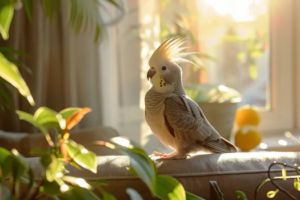
The blurry photo makes it hard to assess the eye inflammation, but based on your description a cockatiel's eye inflammation is likely from a bacterial or viral infection. Clean the eye with a pet eye-care solution twice daily and apply anti-inflammatory drops and ointment. Seek a vet if other symptoms appear.
Symptoms and Treatment of Hole-in-the-Head Disease in Blood Parrot Cichlids
Hole-in-the-head disease (head and lateral line erosion) is a common, highly contagious condition in blood parrot cichlids, usually triggered by nutritional deficiencies or poor water quality. Because it spreads easily to healthy tankmates, isolating the affected fish and starting treatment promptly makes the difference between a quick recovery and a worsening infection.
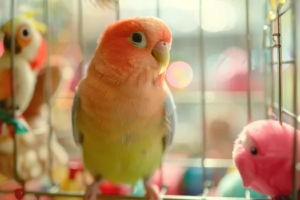
How to Train a Parrot to Talk: Methods and Tips
Teaching a parrot to talk is built on a real bond, the right timing, and patience — not an inborn skill. Train in the quiet of early morning when the bird is alert and hungry, start with simple greetings, reward progress with treats, and lean on a recorder on busy days; males often pick up words faster.
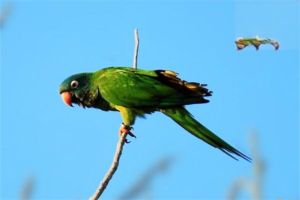
Which Parrot Species Can Talk?
Not every parrot can mimic speech — common favourites like budgerigars and lovebirds generally stay silent. The reliable talkers are the Derbyan parakeet, African grey, sulphur-crested cockatoo, macaws, long-tailed parakeet, and Amazon parrots, each with its own voice, temperament, and training needs.
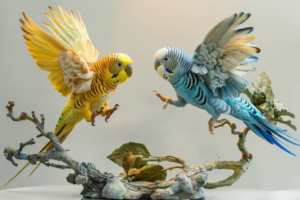
How to Treat Severe Feather Loss in Parrots
Heavy feather loss in parrots usually signals feather-picking syndrome, driven by parasites, skin infection, nutritional gaps, a poor environment, hidden illness, or stress. Treatment starts with pinpointing the cause — a better diet, a vet exam with skin scraping, or cleaner surroundings — and keeping the bird in a stable, calm home.

Why Parrots Suddenly Scream and How to Respond
Parrots scream for many reasons — natural dawn and dusk contact calls, attention, fright, learning new sounds, a broken routine, or a noisy room. Well-trained birds rarely shriek for no reason, so constant screaming signals a behavior, mood, or health problem; reward quiet, never reward the noise.
What to Do When Blood Parrot Cichlids Fight and Lose Scales, Exposing Flesh
When blood parrot cichlids fight, they tear off scales and can expose raw flesh, which invites infection. Isolate the injured fish and treat it with a 2–3% salt bath plus antibacterial or 'yellow powder' medication, keep the water at 28–30°C, and change it every three days. To stop the fighting, give more space, feed more, or separate the bullies.

How to Treat Diarrhea and Watery Droppings in Parrots
Parrot diarrhea has many roots — bacteria, fungi, viruses, parasites, or toxins — and each needs a different treatment, so identifying the cause is the first step. Bacterial and parasitic forms respond to specific drugs, fungal and viral cases are harder and often need a vet, and organophosphate poisoning is an emergency.

Treatment and Care for Psittacosis (Parrot Fever)
Psittacosis causes watery diarrhea, poor appetite, and lethargy in birds, and is risky for chicks. Adults may recover. Learn the medication and nursing care.