Search Results
267 results for “pet heart”

Choosing a Quality CoQ10 Supplement for Pets
Coenzyme Q10 is a nutritional supplement that supports heart-muscle energy and reduces oxidative stress, but it is not a substitute for prescribed heart medication. When selecting one, look for independently verified CoQ10 content and a clean, naturally fermented source.

Coenzyme Q10 (CoQ10) for Dogs and Cats: Supporting Heart Health
Coenzyme Q10 is a compound central to energy production in heart muscle and an antioxidant that helps neutralize free radicals. As an adjunct to veterinary care, it is commonly used to support pets with heart disease, especially seniors and small-breed dogs at higher risk.

Can Pets Eat Beets? Benefits and Safety Tips
Beets are a low-calorie root vegetable that can be a healthy occasional treat for dogs and cats. Learn the potential benefits — fiber, nitrates, betalains — and the precautions to feed them safely.

Teddy Dog With Diarrhea, No Appetite, and Lethargy
A Teddy's sensitive stomach is easily upset by overfeeding, cold, or parasites, and the result is diarrhea with lost appetite and low energy. Controlling portions, keeping the dog warm, regular deworming, and gut-supporting supplements are the backbone of recovery.
CoQ10 for Cats: How to Choose and Use It
Cats enter old age after 7, when heart disease affects a large share of the population, and their own CoQ10 production falls below half of youth levels. For breeds prone to hypertrophic cardiomyopathy, veterinary-guided CoQ10 is common supportive care. This guide explains why cats need CoQ10, the market pitfalls to avoid—false potency, conceptual add-ons, and fake credentials—and the three basics of choosing a product, plus feeding rules and cautions. CoQ10 supports care but never replaces prescribed heart medication.
How Combined Spot-On Parasite Treatments Work
Parasite control is now routine for most pet owners, but choosing among crowded products is hard. Combined internal-and-external spot-on treatments have become the top pick because one monthly application covers many parasites. This guide explains why prevention matters, how a combined spot-on works through the ingredient pair imidacloprid plus moxidectin, and how to apply it safely and conveniently. Quality products are gentle, clearly labeled, and free of harsh additives—making professional-level prevention practical for ordinary homes. Always confirm the right product with a veterinarian.
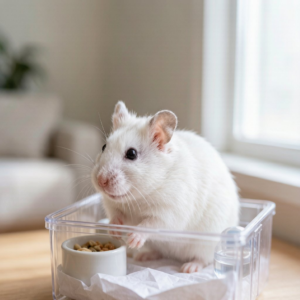
White Bear Hamster: Traits and Care
The White Bear hamster is a type of Teddy Bear hamster with snow-white fur and black or red eyes. Many in the "line" group have a short temper, so they are not ideal for first-time owners. Patience and gentle hand-feeding help them bond. They are nocturnal, timid, and prefer hiding, and do best around 27 C. Because they gain weight easily, a balanced diet keeps obesity and its related diseases at bay.
How to Choose a Parasite Treatment for Cats and Dogs
Parasites are among the most common yet overlooked threats to pet health—even indoor cats can carry fleas, ear mites, or intestinal worms. With many combined internal-and-external products on the shelf, the key is choosing one that is safe, effective, and practical for year-round use. This guide explains why regular control matters, the four points that should drive any choice, the main active-ingredient classes owners will meet, and how to match a product to a pet's age, lifestyle, and parasite risk. Always confirm the right product with a veterinarian.
Are Timid Cats More Prone to Stress?
Timid cats really do stress more easily, spooking at small noises or changes like a stranger visiting or rearranged furniture, and a stress response can range from hiding to vomiting, diarrhea, fast breathing, or even urinary blockage and, in extreme cases, death. Stress is a physical and mental reaction that puts the body on alert and, if prolonged, can damage organs or cause sudden collapse. Timid cats tend to be emotionally rich and very sensitive to environment change, so the fix is a stable, quiet home with few surprises, plus gradual socialization to build confidence. After a stress episode, give space and only comfort once calm; seek a vet if signs are severe or persist.
Caring for Senior Cats and Dogs: A Stage-by-Stage Longevity Plan
Cats and dogs are considered senior at around age 7, when metabolism slows and organ function begins to decline. With staged, careful care, companion pets can live an average of 2–3 years longer. This guide breaks senior care into three phases—ages 7–9, 10–12, and 13 and up—covering diet adjustments, weight control, dental and joint support, stress avoidance, and a sensible checkup schedule. The goal is not expensive supplements but steady, calm, well-planned daily care.