Search Results
267 results for “pet heart”

Diseases with Symptoms Similar to Feline Liver Failure
Liver failure is an abnormality that occurs when the liver is affected by impaired blood flow, reduced oxygen supply, hepatotoxic drugs or chemicals, excess heat, or infectious agents. Liver failure can occur in dogs and cats of all ages and breeds. It may affect multiple organ systems, including the liver and gallbladder, nervous system, gastrointestinal tract, and blood system. Affected pets may show various symptoms, including anorexia, lethargy, depression, vomiting, diarrhea, seizures, abdominal fluid accumulation, bleeding, and jaundice (yellowing of the skin).
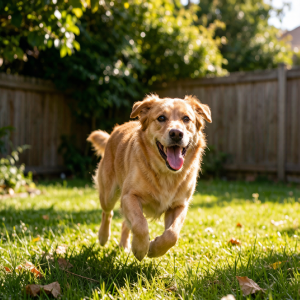
How to Prevent Parasites in Dogs
A parasite is an organism that lives in another organism, called the host. The dog is a host for parasites. Often, the parasite needs the dog's body to survive and can harm the dog.

How to Massage Your Dog
Does your dog always seem tense, stiff, or even a bit irritable? A gentle massage can release pent-up emotion and negative energy, helping your pet become calmer and more relaxed. This article explains the benefits of canine massage and two basic techniques you can use at home.

Diagnosis and Treatment of Dog Near-Drowning
Near-drowning is defined as survival for more than 24 hours after being fully submerged. This article explains the stages of near-drowning, how fresh and salt water differ, and the diagnostic tests and treatments veterinarians use.

Symptoms and Treatment of Dehydration in Dogs
Dehydration occurs when the body's water falls below normal levels, usually involving loss of water and electrolytes such as sodium, chlorine, and potassium. This article describes the signs of dehydration in dogs, how it is diagnosed, and how it is treated.
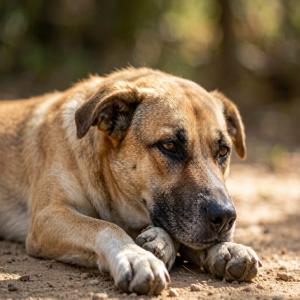
Causes and Diagnosis of Dehydration in Dogs
Dehydration can be caused by many diseases or abnormalities, which fall into two broad categories: reduced fluid intake and increased fluid loss. This article explains the common causes and how veterinarians grade dehydration severity by skin elasticity and lab tests.

What Is Canine Parvovirus?
Canine parvovirus (CPV) is a single-stranded DNA virus that hits unvaccinated dogs of any age; CPV-2 is the most virulent and a leading cause of severe puppy enteritis. It spreads by fecal-oral contact, resists the environment for months to years, and causes vomiting, bloody diarrhea, and dehydration. Vaccination is key.

Can Cats and Dogs Take Propranolol?
Propranolol (Inderal) is a beta-blocker that lowers heart rate, cardiac output, and blood pressure. In pets it treats arrhythmias, supraventricular tachycardia, hypertension, and hypertrophic cardiomyopathy, and in cats hyperthyroidism. Vet-prescribed only; use caution with heart failure and drug interactions. Always consult your vet for dosing.
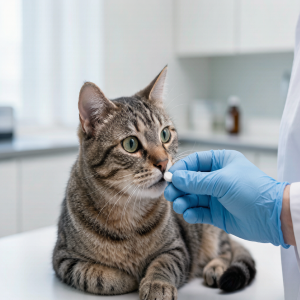
Treatment of Feline Hyperthyroidism
Treating feline hyperthyroidism may involve one or more of several approaches, starting with medication. This article covers methimazole, surgical thyroidectomy, radioactive iodine (I-131) therapy, and supportive follow-up care.

Symptoms and Diagnosis of Feline Hyperthyroidism
Hyperthyroidism is a very common disease in older cats and produces a range of symptoms. This article describes the clinical signs and the diagnostic tests, including T4, free T4 by equilibrium dialysis, chest X-rays, and technetium-99m scans, used to confirm it.