Search Results
2373 results for “pet health”
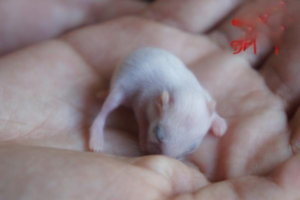
Three Principles of Feeding a Hamster
A hamster's dietary needs change as it moves through infancy, adulthood, and old age. This guide covers the three core feeding rules — moderation, dry-wet balance, and clean drinking water — to keep your hamster healthy and long-lived.

What Are the Signs of Cat Constipation?
Constipated cats visit the litter box with no result, strain and cry while defecating, lose appetite, and may show a hard belly mass when severe. Causes include slow motility, low-fiber diets, stress, and illness. Prevent it with fiber, water, exercise, and gentle massage.

What Kind of Dog Food Is Best for Your Dog?
Pick dog food by age, meat source, kibble size, and individual need. Puppies and seniors do well on light poultry recipes; active dogs benefit from beef or lamb; fish supports coat health. Match kibble size to breed and choose functional formulas for allergies, weight, or gut care.

How to Improve Rabbit Breeding Rate
To compete and profit, rabbit farms must raise quality and output. Here are ways to lift breeding rate and litter size.
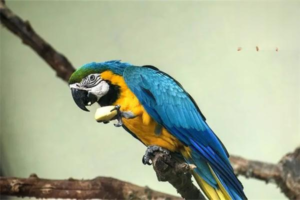
How to Tell Parrot Fluffing from Normal Puffing
Fluffing often means illness, while normal puffing is benign. Tell them apart by head feathers, breathing rate, and droppings. Learn the differences and what to do.

Clinical Types of Infectious Rhinitis in Rabbits
Infectious rhinitis in rabbits is driven by Pasteurella multocida and breaks out when resistance drops. It appears in three clinical forms — septicemic, pneumonic and nasal — and is a stubborn disease with low cure rates, high relapse and long treatment.

Symptoms of Infectious Rhinitis in Rabbits
The clearest sign of infectious rhinitis is constant sneezing, later with thick, pus-like nasal discharge. Left untreated it can advance to pneumonia and death, so don't mistake ordinary dust-sneezing for the disease — especially if it only happens at mealtimes.

Can a Dog with Folliculitis Bathe? Should the Area Stay Dry?
Dogs with folliculitis can and should be bathed — a medicated bath even speeds healing — but use a pet shampoo, not human products, and dry thoroughly afterwards. Treatment pairs topical meds and medicated baths with oral drugs for severe cases, and starting early costs far less time and money.

Do Rabbits Bite, and When
Yes, rabbits can bite, but not without cause — usually when frightened, needing to chew, feeling hostility, or guarding possessions. Their teeth are sharp, so any bite needs prompt wound cleaning and medical care. Giving chew items and handling gently prevents most bites.

Three Measures to Prevent Rabbit Diarrhea
Healthy rabbit droppings are round or oval, smooth and moderately firm. Loose stool usually means contaminated food or illness and can be serious, even fatal. Keep the diet clean, deworm regularly (never with maduramicin, which is toxic to rabbits), and protect against chills and colds.