Search Results
2374 results for “pet health”

The Downsides of Owning a Pet
Pet ownership brings costs, time, shedding, odor, zoonotic-disease risk, bites, noise, lost sleep, and the pain of saying goodbye (dogs live 10-15 years, cats 12-18). Think it through before you commit — and once you do, take responsibility for life.

Should You Microchip Your Pet?
Microchipping your pet is low-cost and safe, greatly improving the odds of a reunion if it is lost and storing medical details for vets. Weigh the benefits against minor privacy and practical concerns before deciding.
Is Too Much Fat in Your Cat’s Diet Slowly Harming It? Health Risks to Watch
Excess dietary fat overloads a cat's pancreas and can trigger pancreatitis, while chronic overfeeding drives obesity and its downstream risks: diabetes, joint and heart strain, and lower-urinary disease. Sudden anorexia can also push fat to the liver and cause fatty liver disease, and too much fat makes the skin oily, leading to stud tail, black chin, and seborrheic dermatitis. Aim for quality and moderation, not zero fat.
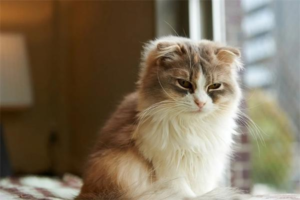
Diet Tips to Support Joint Health in Scottish Fold Cats
Scottish Fold cats carry a genetic cartilage disorder with no cure, so diet focuses on joint support: chondroitin and glucosamine to aid joint fluid, omega-3s to curb inflammation, vitamin D for bones, and balanced food with lean boiled meats. Keep salt low, calcium moderate, and weight controlled.

Is Pet Insurance Worth It?
Pet insurance is worth considering: vet bills are high, and a plan cushions the cost of accidents, illness, and even third-party liability if your pet harms someone. Shop around for coverage limits, claim scope, and network clinics so you don't get stuck with denied claims.
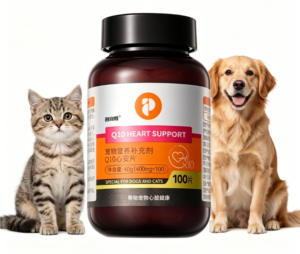
CoQ10 for Dogs and Cats: A Heart-Health Supplement Guide
CoQ10 is a key nutrient for heart-muscle cells and a staple for senior pets and breeds at risk of heart disease. Yet the market is messy—under-dosed, over-claimed products are common. This guide covers who benefits from CoQ10, what to look for on the label, why yeast-fermented source and combined antioxidants (including taurine for cats) matter, and the feeding rules and cautions every owner should know. CoQ10 supports care but never replaces prescribed heart medication.
A Practical Guide to CoQ10 Supplements for Pets
CoQ10 is a nutrient concentrated in heart-muscle cells that fuels the heart and fights oxidative damage, which is why veterinarians often suggest it alongside cardiac care for aging or at-risk pets. With demand up, product quality varies widely, so owners should judge a supplement on stated content, safe source, credentials, and smart pairings rather than marketing. This guide covers what CoQ10 does, how to pick a quality product, and the dosing and safety points—including who benefits, how much to give, and which drugs it must not be mixed with. CoQ10 supports care; it never replaces prescribed heart medication.
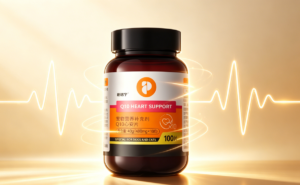
CoQ10 for Pets with Early Heart Enlargement
As cats and dogs age, the heart is often among the first systems to falter, especially in overweight pets and certain breeds with inherited risk. CoQ10, a nutrient that supports heart-muscle energy and protects cells from oxidative stress, is a standard supplement alongside veterinary treatment for heart disease. This guide covers the early signs owners should watch for, why CoQ10 helps, what to look for on a supplement label—real content, independent testing, and proven safety—and how to support heart health day to day. It is nutritional support, not a replacement for prescribed medication.

Why Does Your Pet Rabbit Smell?
A strong rabbit odor can come from diet, poor hygiene, health problems, or sex differences. To reduce it, manage the diet and living space, clean the rabbit appropriately, and check its health regularly. Most odor comes from urine and droppings, so clean the habitat often to stop them from lingering.
What Are the Risks of Shaving Your Pet?
Shaving a pet can weaken its temperature control, raise the chance of skin allergy or other skin problems, lower coat quality, and affect its mood. Weigh the pros and cons before shaving, and if it is not necessary, it is best not to shave. If you must, use the right tools and method to avoid skin injury.