Search Results
2370 results for “pet health”

Is It Normal for Dogs to Eat Poop?
About 80% of dogs that eat feces are showing normal behavior, not a disease or a nutrient deficiency. It is tied to evolution, digestion, and instinct rather than bad hygiene. Mother dogs may eat puppies’ feces to hide scent from predators and keep the nest clean; puppies often copy adults or explore the smell of undigested food. But long-term coprophagia with a thin body, frequent soft stools, or low energy deserves attention. This article separates normal from concerning causes—hunger, poor absorption, anxiety, or attention-seeking—and gives vet-style fixes: prompt cleanup, better diet, probiotics, and more companionship.

What to Do When a Hamster Is Weak and Lethargic
A usually lively hamster that suddenly turns weak and listless is signaling a problem worth watching. Causes range from illness such as a chill, gastroenteritis, dental trouble, or poor nutrition, to an unhappy environment that is too cold, humid, or noisy, to stress from bullying by other pets or a sudden move, and to a dull diet lacking key nutrients that lowers overall condition. Help it by improving the home: keep it clean, quiet, and comfortable with limited light and noise and add toys and climbs for enrichment. Offer fresh food and water and clear leftovers so it never eats spoiled food, and broaden the diet with vegetables, fruit, and mealworms for full protein, vitamins, and minerals alongside the base mix. If the weakness lingers, see a vet to find and treat any underlying disease. Tackle habits, diet, environment, and stress together for the best recovery.
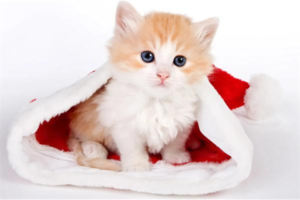
Why Does Your Cat Head-Butt You?
A cat head-butting you carries several meanings and is a way to express love and needs through body language. Cats head-butt each other to show friendliness, and with people they do the same to build a closer bond and display affection. A cat usually head-butts only those it likes, so respond with more attention and warmth to deepen your trust and closeness.
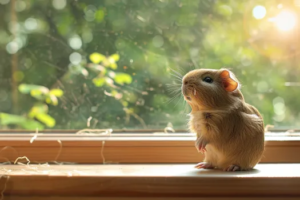
The Dangers of Obesity in Hamsters
Obesity seriously harms a hamster's health. It raises the risk of diabetes, high blood pressure, and heart disease, and can trigger fatty liver, joint problems, and breathing trouble. Extra weight lowers overall vitality, dulls appetite and digestion, and can spoil sleep quality, which then affects physical and mental wellbeing. Prevent it with a varied, balanced diet, controlled portions, and enough space plus a wheel and toys for regular exercise. Knowing breed weight standards helps you spot and reverse excess weight early.

When Should You Wean Baby Hamsters?
Hamsters usually begin weaning at about 3 to 4 weeks, though the best timing varies with the individual. You can tell they are ready when they start eating solid food on their own, leave the nest more often, and the mother begins to refuse nursing. After weaning, feed a high-quality young-hamster mix with hay, oats, or millet as supplements, plus small amounts of chopped vegetables and fruit and constant fresh water. Separate the pups into their own cages, feed little and often, keep the cage clean, and maintain a warm, safe environment.
Early Warning Signs of Heart Disease in Dogs
Heart disease isn’t only an old-dog problem—clinics see four- and five-year-olds, even two-year-olds, with valve disease or myocardial hypertrophy, especially in small breeds like Toy Poodles and Pomeranians. Early on there are almost no symptoms; by the time coughing, fainting, or a purple tongue appears, the disease is usually advanced. Under the ACVIM staging system, Stage B1 is the “golden window” most owners miss: subtle structural changes with no heart failure yet, showing only quiet behavioral shifts like less activity or a changed sleeping posture. Catching it then—often without medication—can keep a dog stable for life. This article outlines the staging, the early behavioral signs, and the daily care that protects a vulnerable heart.

Why Is My Dog Dry Heaving?
Dogs dry-heave for many reasons, from a foreign object or irritation in the throat to parasites, indigestion, too much exercise, or illnesses like kennel cough and distemper. If a stuck object or irritation is the cause, removing it usually stops the heaving at once. When dry heaving comes with other signs such as fever, coughing, lethargy, or loss of appetite, see a veterinarian promptly to find and treat the underlying cause. Regular deworming and vaccination are the best long-term protection.
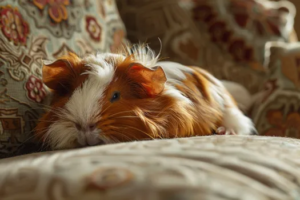
What to Know When Your Hamster Is Giving Birth
Breeding hamsters is easy, but the birth itself needs care. Keep the room at 20 to 25°C with 40 to 60 percent humidity; extremes or big temperature swings can stall labor or kill pups. Use a roomy, well-ventilated breeding box with platforms to climb and plenty of bedding, and because hamsters are solitary, move the male out right after pairing and pregnancy to prevent fights, injury, and miscarriage. The mother needs balanced nutrition, protein, fat, minerals, and vitamins, plus breeding feed or extras like mealworms, dried fruit, vegetables, and nuts, with fresh water always available. Watch the mother for poor appetite or weight loss and the pups for slow growth. Seek a vet for dystocia (water broken but no delivery, or a pup stuck partly out), nursing trouble, or postpartum infection shown by fever, diarrhea, or vomiting. A controlled environment, good food, and close observation keep the birth safe.
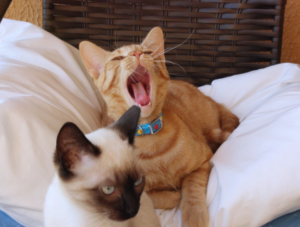
Yes, Cats Get Jealous: 5 Signs to Watch For
Cats may look aloof, but they do feel jealousy, rooted in a strong sense of ownership. When a new pet arrives or you focus on another animal, a cat may fixate on the "rival" while emitting a low growl. Some cats act out by spraying, destroying things, or fighting; others go quiet, hide, and refuse food. That withdrawal reflects sadness and anxiety, and if ignored it can harm health, lowering immunity, causing weight loss, or triggering feline idiopathic cystitis. The good news is that jealousy means your cat cares; more one-on-one time and a slow introduction of newcomers resolve most cases.

Cat Won’t Drink in Summer? 8 Tips to Get It Drinking on Its Own
A healthy adult cat needs about 50-60 ml of water per kg of body weight each day, but dry kibble is only around 5-10% moisture, so summer drinking matters even more. Cats sweat only through their paw pads and ears and cool poorly, so low intake risks heat stress. Practical fixes: use a shallow ceramic or glass bowl (deep bowls annoy whiskers), offer a filtered running-water fountain, keep bowls over 1.5 m from the litter box and place several around the home, rehydrate freeze-dried food, serve wet food in the evening, and offer unsalted broth a few times a week. Senior, obese, and chronically ill cats need closer monitoring for dehydration.