Search Results
2372 results for “pet health”

Blue-and-gold Macaw
The Blue-and-gold Macaw (Ara ararauna), also called the Blue-and-gold Macaw, is attractive in both color and size. Native to the tropical Americas, it is the most commonly seen macaw on the market and is gentle and affectionate toward people.

What to Do When a Cat Is Lethargic After Vaccination
Lethargy, reduced appetite, low fever, and sleepiness after a cat's vaccination are normal immune responses that usually clear within three days. Comfort and play with the cat to ease environmental stress. Before vaccination keep it healthy and dewormed; after, observe at the clinic for 30 minutes, skip baths and strenuous exercise for a week, and record the shot in its vaccine booklet.

How to Bathe a Hamster
Normal hamsters don't need baths — water strips their natural oils and risks their health. Odor usually means a dirty cage (clean it weekly) or, occasionally, a female in heat. Use dust bath sand for routine cleaning; only use water for dangerous contaminants like toxins or sticky substances, following a careful step-by-step method.

How Long Do Hamsters Live and What Are the Signs of Dying
A hamster's average lifespan is about two years (Roborovski up to 3–3.5), shaped by breed, genetics, diet, housing, and health. Lifespan factors include solitary housing and prompt treatment of illness. Before death a hamster shows a hunched back, rapid weight loss, and severe hair loss — prepare yourself and care for them gently.

Pudding Hamster Behavior and How to Care for Them
Pudding hamsters are gentle but timid — the easiest breed to bully — and are food-loving, sleepy, and low-energy, which is why most stay plump. Caring for them means avoiding human food, direct sun, and water baths, keeping them solo or same-sex, and following rules on diet, bedding, and clean drinking water.

Common Mistakes in Hamster Care
Common hamster care mistakes: housing hamsters together (they're solitary and will fight or over-breed), putting them in direct sun (heatstroke), bathing them (risky — use bath sand), feeding human food (additives overload them), giving untreated tap water (chlorine poison — boil and cool), using newspaper as bedding (inky, poor), and giving too little space. Read on to raise yours safely.
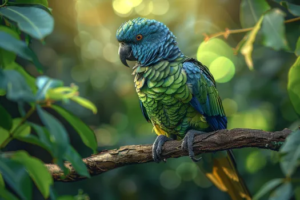
When Do Budgerigars Molt, and What Are the Signs
Budgerigars typically molt in June–August for 2–3 months and again about four months later to grow winter down. Signs include frequent feather loss, poorer appetite with some weight loss, and moody, sensitive behavior. Because molting birds are fragile and parasite-prone, feed a varied balanced diet and deworm if you see red, scabby skin or feather-pecking.

How to Wean Kits (Baby Rabbits)
Wean kits to let the doe recover and the young adapt: breeding/Angora/Rex at 30–40 days, meat rabbits at 28–35 days, or before 28 days under intensive 'blood mating'. Use one-time weaning for uniform litters and staged weaning for uneven ones, cut the doe's concentrates first to prevent mastitis, and keep kits in their original hutch 3–5 days post-weaning to reduce stress and losses.

What Season Is Best for Breeding Rabbits
Spring and autumn are the best breeding seasons — warm, dry, and bright, with high conception and kit-survival rates. Avoid breeding above 30°C in summer or without heating in winter. Choose quality stock, feed a balanced diet with carrots pre-breeding, give exercise and light, and time mating to bright-red vulva estrus using repeat mating.

How Long Do Holland Lop Rabbits Live? (And How to Care for Them)
Holland Lops are loved for their small size and cute looks, but they live shorter than average rabbits—usually 5–7 years. Good care (free roam, proper diet, health checks, clean housing) can extend that toward 10–12 years.