Search Results
2372 results for “pet health”

What Is the Best Water Temperature for Keeping Blood Parrot Cichlids?
The blood parrot cichlid, with its chubby body, soft fins, and bright red color, is loved by fish keepers. What is the best water temperature for keeping them? Today our team explains the temperature and care methods.
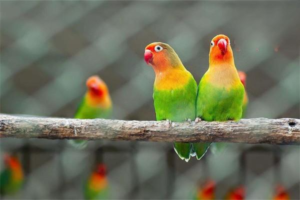
Pros and Cons of Feeding Pelleted Diet to Parrots
Although pellets meet most of a parrot's nutritional needs, the manufacturing and heating process can degrade vitamins and minerals, causing some loss. So besides pellets, supplement what the bird lacks. Our team explains the pros, cons, and precautions of pellet feeding.

What Symptoms Appear When a Parrot Is Infected with Trichomoniasis?
Most adult parrots carry trichomonas but usually do not fall ill; however, adults feed chicks by regurgitation, easily passing the disease to them, and infected chicks sicken quickly. Our team introduces the common symptoms and handling of parrot trichomoniasis.

Why Does Your Dog Pant with Its Tongue Out?
Dog owners often see tongue-out panting and wonder. It may be cooling, seeking attention, or discomfort. Our team explains.

A Guide to Keeping Turtles
Turtles are common pets with long lifespans and can live for years if kept well, but die easily if not. How to keep them correctly? Our team's sharing hopes to help.

Why Does Your Cat Vomit Food and What to Do?
Why does a cat vomit undigested food? It may be overeating or indigestion, but also parasites or hairballs. Our team explains common causes and treatments.

What to Do When Your Cat Has Pica
Pica in cats—eating non-food items like plastic or plants—often stems from poor digestion, a lack of trace minerals, illness, or plain curiosity. Manage the environment, balance the diet with vitamins and minerals, and spend more time playing with and monitoring your cat; see a vet if other illness signs appear.
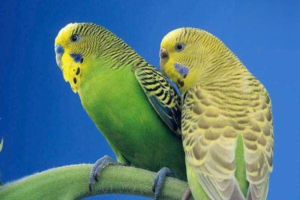
Why Is a Parrot’s Beak Too Long and What to Do?
A parrot's beak keeps growing, so it needs to wear it down; if too long it badly affects eating. Offer abrasive foods like cuttlebone and chew sticks. Our team explains solutions.
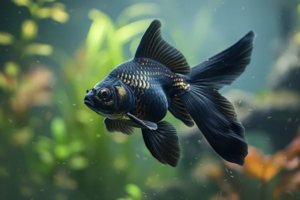
Common Reasons an Arowana Stops Eating
An arowana may refuse food because it is stressed by a new environment, the water has gone bad, the diet is too monotonous, it has a cold, it has internal parasites, or it has enteritis. Pinpoint the exact cause—stable water, a short fast, then targeted treatment—before resuming feeding.
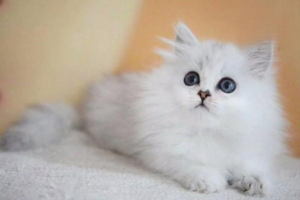
Why Is Your Cat Suddenly Peeing or Pooping Outside the Litter Box?
A cat that suddenly stops using the litter box is sending a signal, about a dirty or poorly placed box, new litter it dislikes, hormones, a health problem, or jealousy of a new pet. Rule out pain or illness first, since urinary issues need a vet.