Search Results
125 results for “pet food safety”

How to Keep Pets Warm in Winter
Winter came a bit late but hard; Shanghai is turning cold. Notice your fur kid burrowing into bed, by the heater, in your arms.
What happens if a cat eats fake/counterfeit cat food?
Fake cat food fails safety standards and is poor quality. It can cause: 1. Indigestion from excess additives/preservatives — vomiting, diarrhea. 2. Malnutrition from lacking protein/vitamins — slow growth. 3. Poisoning from unsafe additives like benzoic acid or melamine, even death. Choose safe, reliable food; see a vet if symptoms appear.

Human Foods That Are Absolutely Toxic to Cats
Never feed cats chocolate, onions/garlic, grapes/raisins, or anything with caffeine, xylitol, or alcohol — all can be fatal even in small amounts. Most adult cats are also lactose-intolerant, so skip milk and dairy, and avoid high-salt, high-sugar, and high-fat table scraps that strain the kidneys, pancreas, and metabolism. Always check whether a food is cat-safe before sharing.
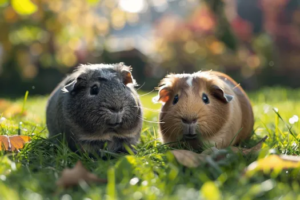
How to Choose the Right Chinchilla Food
Choose chinchilla pellets by checking the ingredients (16–20% plant protein, at least 18% fiber, 2–5% fat), picking reputable brands, verifying freshness, and matching the formula to your pet's age and health. Transition to new food gradually and supplement with hay for fiber and dental wear.
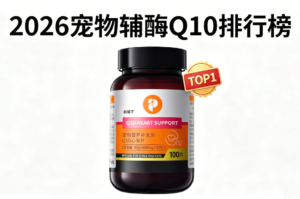
A Practical Guide to CoQ10 Supplements for Pets
CoQ10 is a nutrient concentrated in heart-muscle cells that fuels the heart and fights oxidative damage, which is why veterinarians often suggest it alongside cardiac care for aging or at-risk pets. With demand up, product quality varies widely, so owners should judge a supplement on stated content, safe source, credentials, and smart pairings rather than marketing. This guide covers what CoQ10 does, how to pick a quality product, and the dosing and safety points—including who benefits, how much to give, and which drugs it must not be mixed with. CoQ10 supports care; it never replaces prescribed heart medication.
Pet CoQ10 Supplements Reviewed: Picking One That Genuinely Supports Heart Health
CoQ10 is a popular supplement for pets with heart conditions, but it supports heart function rather than curing disease. It helps the heart muscle generate energy, mildly slows heart failure, and supports immunity and vitality. Yet the market is full of weak or mislabeled products—industry figures suggest most pet CoQ10 labels either understate or omit the actual content, and some use industrial-grade raw materials. When choosing a supplement, look for verified CoQ10 content (ideally backed by independent testing), natural fermentation sources, and a clean antioxidant formula, matched to your pet's age, breed risk, and symptoms. Used alongside veterinary treatment, a quality CoQ10 can be a valuable part of heart care.

Will Changing Dog Food Hurt the Gut?
Why switch? Nutrition balance - eating one food forever risks deficiency; safety - some feeds use questionable 4D sources, unneeded flavor additives and heavy preservatives linked to chronic disease; and appetite - same taste daily breeds boredom (imagine burgers forever). Does switching hurt? A single-food gut makes narrow enzymes, so a sudden swap causes soft stool or diarrhea. The 7-day method fixes it: raise the new-food ratio daily until day seven is all new, avoiding digestive stress. Switch about every three months, or anytime if no reaction; mixing two foods for broader nutrition is fine. Picky eating comes not from switching but from rewarding refused food with tastier food - the dog learns refusal pays off.

Enrofloxacin for Pets: What It Treats and Key Safety Notes
Enrofloxacin is a third-generation fluoroquinolone antibiotic made for animals. It works by blocking a bacterial enzyme needed for DNA replication, and it is commonly used for urinary, reproductive, digestive, and skin or soft-tissue infections in dogs and cats. It is prescription-only: typical oral dosing is 5–10 mg/kg per day, and several groups should never receive it. Always follow your veterinarian's plan.

CoQ10 for Cats and Dogs: Food Sources, Benefits, and Who Needs It
Coenzyme Q10 (CoQ10, or ubiquinone) is a fat-soluble compound that helps cells make energy and is concentrated in high-demand organs such as the heart, liver, and kidneys. Most healthy pets make enough on their own, but seniors, certain breeds, and pets with heart conditions may benefit from supplementation. This guide covers what CoQ10 does, which foods naturally contain it, which pets are most likely to need a supplement, and the key safety precautions to keep in mind.
How Good Is Sinyuan Development Treasure Dog Food?
Development Treasure uses rice and chicken meal with no corn or wheat, is low-allergen and free of sweeteners and artificial colors, but the brand had a past safety incident that makes owners cautious.