Search Results
84 results for “pet drooling”
Why Human Cold Medicine Is Dangerous for Pets
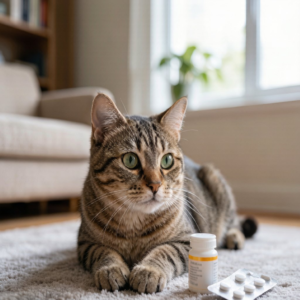
Because cats and dogs metabolize drugs differently from people, they may not process ingredients like acetaminophen, pseudoephedrine, and caffeine, and even small amounts can poison them, sometimes fatally. Most over-the-counter human cold medicines are unsafe for pets. For mild cases when pet-specific medicine is unavailable, gentle herbal options exist, but vet care is best for serious symptoms.
What Pet Owners Should Know About Rabies
Rabies is a viral disease that infects dogs, cats, and people, and because a rabid dog can harm humans, it demands serious attention. The virus travels along nerves to the brain after a bite, and once signs appear the outcome is almost always fatal. Prevention through vaccination and prompt wound care is the only real defense.

Why Is My Cat Drooling?
Cats drool for many reasons, from normal relaxation to illness or disease, so judge by the situation and the cat's mood. Drooling during sleep or when the cat is content is usually nothing to worry about. But if the saliva is foul-smelling or comes with other symptoms, watch closely, check the mouth for foreign objects, and if drooling persists with signs of discomfort, see a veterinarian. Common causes include deep relaxation, something stuck in the mouth, outside triggers like food smells, and oral disease such as periodontal problems or stomatitis, which often produce smelly drool.
Why Is Your Dog Drooling So Much?
A dog that drools a lot is not always just greedy. Drooling has many causes, and often it is a signal of illness worth noting. It may be dental problems or teething, a throat obstruction or injury, fear and anxiety, overheating, old age, or even car sickness. Most drooling is normal behavior, but if disease is suspected, see a vet.
Why Pets Drool: Stomatitis and Periodontal Disease
Persistent drooling often points to mouth inflammation. Stomatitis can be contagious (virus-linked) and, in cats, often lifelong — a red line forms where gum meets tooth, with constant drooling. As it worsens, ulcers grow, the cat may stop eating and lose weight. Periodontitis, driven by bacteria and tartar, also causes drooling, bad breath, and tooth loss. Diagnosis needs an oral exam (often under anesthesia) and dental X-rays; treatment ranges from antibacterial rinses to antibiotics and, in severe tartar cases, extraction.

Why Is Your Dog Suddenly Drooling a Lot? 4 Causes to Watch
Dogs pant to cool off, so some drool on a hot day is normal. But sudden, heavy salivation in normal temperatures can signal trouble. The causes worth flagging are oral disease, poisoning, heatstroke, and neurological problems, with severe kidney or liver disease and even rabies as grave possibilities. Teething, car sickness, or excitement explain milder cases. When drooling pairs with collapsing, seizures, or suspected toxin exposure, head to the vet at once.

How to Manage Thunder and Noise Phobia Anxiety in Pets
At the first clap of thunder, your dog suddenly vanishes, and you may find it in the darkest corner of the closet or under the bed. Even if your dog is one of the so-called fiercest breeds, when thunder sounds it may tremble on your lap or at your feet. This article explains noise phobias and how to help an anxious pet.
Lionhead Rabbit: Appearance and How to Choose One
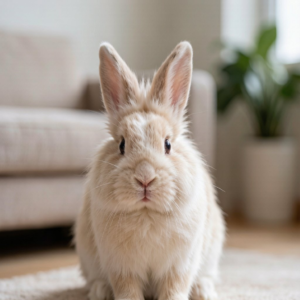
The Lionhead rabbit is small but round, with a plump body and a distinctive mane of long fur around the neck that forms a V shape like a tiny lion. Picking a healthy individual is the key to successful keeping. Avoid unweaned or very young rabbits, which are fragile and harder to raise; beginners should choose one over two months old. Knowing the breed's looks and common ailments helps you select a vigorous pet and care for it well.
Can Obesity Cause Fatty Liver in Cats?
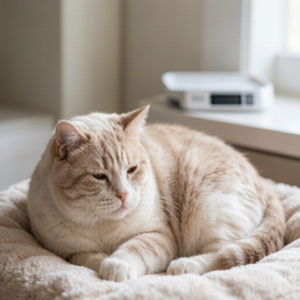
Overweight cats are at higher risk of fatty liver, because excess fat around the liver can move into it. Fat cats also more often have diabetes and pancreatitis, which can lead to fatty liver, and prolonged starvation is another common cause. Symptoms include anorexia, weight loss, vomiting, and jaundice, and severe cases can be fatal, so prevention matters.
Bad Breath in Dogs and Cats Is Not “Heat”—3 Types to Self-Check
When dogs or cats have bad breath, many owners assume “heat” and reach for cooling teas or herbs—but most pet halitosis is a disease signal, not a temperature issue. A rotten, fishy odor with red gums, tartar, hesitant eating, or drooling points to periodontal disease (over 70% of pets over 3 years); a strong urine or ammonia smell with extra drinking, extra urination, lethargy, and low appetite signals declining kidney function; and a sour, fermented odor with burping, acid reflux, worse on an empty stomach, and soft stool points to gut or liver trouble. Mild breath, teething at 3–6 months, or a meaty diet smell are normal. Severe or symptomatic breath warrants a vet visit—blood and organ checks—not “cooling” remedies.