Search Results
2129 results for “pet diet”

Pale Nose and Sleepiness in Cats? Likely Anemia
Cats hide illness well, so subtle signs like anemia slip by. Here are the symptoms, causes, and treatment of cat anemia.

Are Guinea Pigs Hard to Keep? Care Tips to Know
Guinea pigs are easy to keep — they are rodents (not pigs) that eat mainly grass. Give them a dry, clean cage with room to roam in groups, feed pellets and hay while limiting watery produce, and keep the temperature above 20°C to avoid chills.

Early Symptoms of Stomatitis in Cats
What are the early symptoms of cat stomatitis? It is often caused by trauma, bacterial, or viral infection, and severe cases drool. How is it treated? Let's learn with our experts.
After a Teddy puppy recovers from parvovirus, it still vomits a little. What does that mean?
Parvo badly damages the gut and needs time to heal; mild vomiting during recovery is normal if it lessens and the dog's spirit and appetite return. Feed easily digestible food in small meals; if vomiting persists, rule out other disease.
What do red-billed blue magpie chicks eat?
Chicks mainly eat insects, ants, and spiders, preferring food slightly larger than their head. Protein is essential; buy specialized chick formula rich in protein and calcium. Also offer fruit like apple, banana, and orange.

Early Signs of Pregnancy in Cats
A pregnant cat stops estrus the day after mating, then shows lower appetite, enlarged nipples, and gradual weight gain within 2-3 weeks. After mating, keep her safe from falls, supplement calcium and nutrients, avoid baths, worming, and vaccines, and prepare a quiet nesting box about 65 days before the due date.

Why Bearded Dragons Stop Eating (and What to Do)
A bearded dragon suddenly refusing food is common, usually from low temperature (they're cold-blooded, need ~30°C, 30-38°C by day), a too-single or too-large diet, or being overfed the day before. Pregnant females also eat less. Raise the temperature and vary food (a 15-18 cm dragon likes 1-1.2 cm crickets); a day or two off is normal.
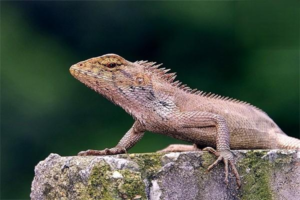
Foods Lizards Shouldn’t Eat Too Much Of
Lizards are omnivores but some foods harm them in quantity. Tannin-rich foods (spinach, banana) can clot protein and hurt digestion; oxalate foods (spinach, celery) block calcium and cause metabolic bone disease. Most lizards prefer meat (roaches, mealworms, earthworms); some eat plants or cactus. Feed young lizards twice daily; adults once a day or every two days; more in summer, less in cold months.

Bearded Dragon Diarrhea: Causes and Treatment
Bearded dragons are omnivores that eat mostly insects and plants, but too much moisture in the diet easily causes diarrhea. Here are the causes, symptoms, and solutions for bearded dragon diarrhea.

Golden Hamster Red Nose: Causes and Care
A golden hamster's red nose needs the cause identified before treatment. The redness can come from internal heat, skin disease, or a cold. Here are the causes and measures for a hamster with a red nose.