Search Results
2132 results for “pet diet”

How to Tell If a Cat Is Stressed
A cat's mood swings sharply with its environment, and stress ranges from a few days of acute reaction to chronic pressure lasting weeks or months—the chronic kind is the most dangerous. Common chronic triggers include multi-cat conflict, moving, new family members, litter-box problems, diet changes, and shifts in the owner's own routine or stress.

Why Dogs Vomit Yellow Fluid and How to Treat It
Vomiting yellow fluid is usually tied to diet or gastrointestinal disease, and the underlying cause is revealed by the dog's body condition, feeding routine, and what the vomit looks like. Once you rule out a gastric foreign body or viral infection, most cases from gastritis or gastroenteritis improve with short-term fasting, antiemetics, and gut support.

Is Cat Diarrhea a Sign of Illness? How to Treat It
Cat diarrhea isn't always serious, but it can signal gut infection, plant poisoning (lilies are deadly), parasites, or even panleukopenia. Stabilize the gut, keep food consistent, maintain parasite control, and treat any suspected poisoning as an emergency.

Cat Diabetes? Owners Need to Take a Hard Look
Feline diabetes is usually driven by overfeeding treats and obesity, with type II (insulin resistance) most common. Watch for ravenous appetite with weight loss and excess drinking/urinating; it's managed, not cured, through high-protein low-carb food, measured meals, and insulin. Neutered males over 8 are most at risk.

Three Steps to Handle Dog Ear Mites
Dog ear mites need prompt care or they lead to otitis and hearing loss. Clean the outer ear, apply an anti-mite ear solution, isolate the dog and disinfect the home, and prevent recurrence with regular checks and dry ears.

Kitten Cold: Symptoms and the Right Response
A kitten 'cold' is usually an upper respiratory infection — sneezing, runny nose, fever, watery eyes — driven by chill and weak immunity, and sometimes herpes or calicivirus. Keep it warm, boost nutrition (lysine, taurine), and see a vet if temperature tops 39.5°C.

Are Cat Cold and Feline Herpesvirus the Same?
A cat cold and feline herpesvirus look alike but aren't the same: herpes brings thick yellow-green discharge and can ulcerate the cornea or blind. Herpes needs isolation, antibiotics, and eye drops; a plain cold needs warmth, cat cold medicine, and a dry coat.
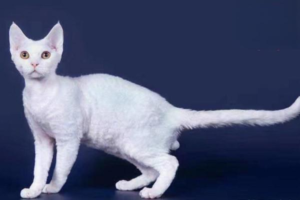
Cold Symptoms and Fever in Sphynx (Hairless) Cats
Sphynx (hairless) cats lack a fur coat and lose heat far more easily, so they catch colds more readily than other breeds. Mild cases with a low fever under 39.5°C can often recover at home with warmth and supportive care, but a cat that won't eat, grows weak, or fails to improve needs prompt veterinary attention.

Can Dog Skin Diseases Spread to Humans?
Many dog skin conditions — fungal infections, eczema, allergies, and parasites such as mange — can pass to people, especially with close, long-term contact. Treat the dog promptly, isolate it, wash your hands after contact, and disinfect the home to protect both pet and family.

Causes and Symptoms of Common Feline Urinary Tract Diseases
The most common feline urinary signs are abnormal urination and discolored urine — straining, incontinence, or brown urine — and they tie to low water intake, stress, and obesity. Watch for frequent litter-box trips, blood in urine, and pain, and see a vet at once to avoid kidney failure.