Search Results
2124 results for “pet diet”

Why Your Cat Keeps Getting Thinner
A cat that keeps losing weight can signal parasites, poor diet, stress, aging, or underlying disease. Worms such as roundworms and tapeworms steal nutrients; stale or unappealing food lowers appetite; household changes or an owner's absence cause stress; and digestive, liver, or kidney disease blocks normal nutrient uptake. Older cats naturally eat less as metabolism slows. Have a vet identify the cause, then offer high-protein, high-fat food in small frequent meals, add supplements, and keep a regular deworming schedule to help your cat regain condition safely.

CoQ10 for Cats and Dogs: Food Sources, Benefits, and Who Needs It
Coenzyme Q10 (CoQ10, or ubiquinone) is a fat-soluble compound that helps cells make energy and is concentrated in high-demand organs such as the heart, liver, and kidneys. Most healthy pets make enough on their own, but seniors, certain breeds, and pets with heart conditions may benefit from supplementation. This guide covers what CoQ10 does, which foods naturally contain it, which pets are most likely to need a supplement, and the key safety precautions to keep in mind.

What to Do When Your Chinchilla Has Gas and Bloating
Chinchilla bloating usually comes from eating too much or too fast, poor nutrition, or digestive disease. When it happens, stop feeding briefly to ease the gut, and avoid large single meals going forward. Raise the hay ratio in the diet to add fiber and support gut movement, and gently massage the abdomen from left to right and top to bottom to help expel gas. If bloating is severe or recurring, add a pet probiotic to balance the gut flora and aid digestion. Keep the cage clean, control portions, and provide space to exercise so gas problems are less likely to return.

What to Do When Your Cat Is Addicted to Flavor Enhancers
Some low-quality cat foods rely on artificial flavor enhancers to make cats overeat, creating a false impression that the food is popular. While small amounts of natural enhancers are harmless and even nutritious, artificial ones such as sodium glutamate, pyrophosphates, and meat flavorings can lead to dependence and poor nutrition. If your cat is already hooked, switch gradually to a high-quality natural diet using a slow transition plan, mixing old and new food over roughly two to three weeks. Add nutritious toppers like wet food or supplement paste, and always choose reputable brands so your cat gets balanced nutrition instead of empty calories.
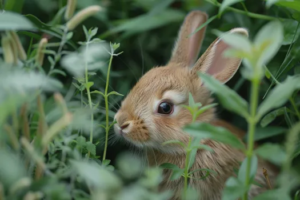
What Breeds of Mini Rabbits Are There
Mini rabbits are the smallest pet rabbits, with upright ears and an adult weight of only 1 to 2 kg and length near 30 cm. The group includes the Polish rabbit, the dwarf Hotot, and the dwarf rabbit (Dwarf), the last splitting into Dutch, French, and English dwarf varieties. Each has its own look and temperament, but all are beloved for their cute appearance and gentle nature. The dwarf Hotot is especially tiny and delicate as a baby.

Why Does Your Dog Have White Dandruff
Some white flakes are normal daily skin turnover, but heavy dandruff with itching, hair loss, bumps, or redness signals a problem: dry skin, fungal or bacterial infection, parasites, allergies, poor nutrition, or over-bathing. Keep the skin moisturized, bathe gently no more than weekly, deworm on schedule, and improve the diet with fatty acids and vitamins. Persistent or worsening flakes need a vet skin scrape to diagnose and treat.
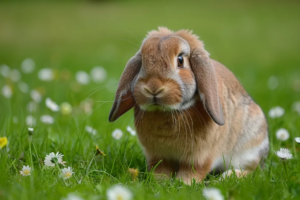
What to Do When Your Rabbit Is a Picky Eater
A picky rabbit may refuse food because of taste preference, a recent environment change, or dental trouble. Offer variety, fresh food, and a gradual switch to new items, and avoid overfeeding treats. Check teeth and mouth regularly, keep the diet balanced, and give enough space and exercise. Persistent pickiness with other symptoms warrants a veterinary check, since poor intake risks nutrient deficiency and weak growth.

The Dangers of Dental Tartar in Dogs
Dog tartar is hard buildup of bacteria and food debris along the gumline. Left alone it drives gingivitis, bad breath, loose or lost teeth, mouth infection, periodontal disease, respiratory infection, and even whole-body issues like heart, kidney, and diabetes risk. Prevention means regular brushing, dry food over wet, and limiting sugar and starch. Severe cases need a professional dental cleaning, and badly loose teeth may require extraction.
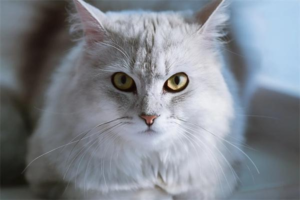
Why Your Cat Eats But Stays Thin
A cat that eats plenty yet stays thin can point to a weak digestive system, high activity, picky eating, illness, or genetics. If the cat is not naturally slender but eats well without gaining weight, a vet check is wise to rule out problems and adjust diet. Some cats are simply born lean and stay healthy that way, which is no cause for worry. Either way, forcing extra weight is unhealthy.

Dog Food Bloat: Symptoms and What to Do
Food bloat is a digestive backup where swallowed food cannot pass normally, causing vomiting, refusal to eat, and a swollen belly. It often follows fast or excessive eating, indigestible food, or swallowed objects. Mild cases may improve with pet probiotics, gentle abdominal massage, and rest. Severe bloat with pain or persistent vomiting needs urgent veterinary care, sometimes surgery. Preventing overeating and using slow-feeders is the best defense.