Search Results
2124 results for “pet diet”
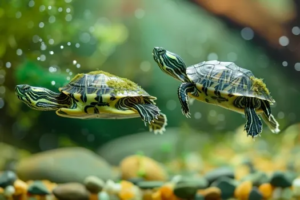
White Fuzz on Your Turtle’s Neck: Shedding or Water Mold?
White fuzz on a turtle can be normal shedding or a sign of water mold disease. If the fuzz has a clear texture with no soft rot, it is likely shedding—just give more sunlight. If fuzz appears on multiple areas and looks rotting, it is probably water mold and the turtle should be isolated and treated. The root cause is usually overcrowding and polluted water; prevent it with good nutrition, wound care, and regular water changes.

Can Water Mold Disease in Turtles Be Avoided? (Causes & Prevention)
Water mold disease is preventable. Although Saprolegnia is widespread in water, its presence alone does not cause the disease—infection requires a wound. A healthy, uninjured turtle will not get water mold, so the key is good husbandry: smooth enclosures, regular sunlight, balanced nutrition, and clean water. Early signs include gray-white spots and white fuzzy growths on the skin and shell; untreated, the disease progresses to swelling, ulcers, appetite loss, and death.

Why Human Food Is Bad for Cats and Dogs
Many foods that are fine for people can harm pets. Even a small amount of some items causes poisoning, and the seasonings and additives in human food put real strain on a cat or dog's kidneys. Over time this undermines health. Feeding people food also unbalances nutrition, adds excess salt and calories, and can make a pet refuse its own balanced diet. Cats in particular have a unique metabolism and need species-specific nutrition.

Essential Tips for Raising Healthy Rabbits
Rabbits are sensitive to their environment, and getting temperature, humidity, feed variety, and nighttime feeding right is essential to keeping them healthy. Their thick coat and weak sweat glands make it hard to release heat, so rabbits tolerate cold better than heat; a stuffy, humid hutch quickly leads to illness. Aim for about 20-27C, keep bedding dry, offer a varied diet instead of a single feed, and provide plenty of hay at night when rabbits are most active. These basics help prevent disease and support steady growth.
What happens if a dog eats a corn cob?
A corn cob can cause intestinal blockage, leading to malnutrition, reduced appetite, vomiting, constipation, and abdominal pain. While corn's potassium and fiber offer some benefits, a dog's gut is fragile and too much causes indigestion. Never feed the cob core, which can scratch the digestive tract or choke the dog.
What happens if a dog eats raw meat?
Eating raw meat can expose a dog to bacteria and parasites, causing abdominal pain, vomiting, and diarrhea; pet probiotics and regular deworming help, and severe vomiting needs a vet. Too much raw meat also drives obesity and stresses the liver and pancreas, so a kibble-based diet with occasional boiled chicken, egg yolk, and chews is safer.
What happens if a dog doesn’t eat salt?
A long-term lack of salt causes electrolyte imbalance in dogs — muscle weakness, stunted growth, weight loss, and poor appetite, and in severe cases pica (eating plaster, grass, or dirt). Salt is essential and is added to commercial food, but too much causes shedding, tear stains, high blood pressure, and even salt poisoning, so homemade diets need a small amount added.
What happens if a dog eats fake dog food long-term?
Long-term consumption of fake dog food causes indigestion — many counterfeit foods use sand and ground-stone powder in place of starch — leading to gastroenteritis, kidney failure, and even death. It also causes malnutrition and, because of heavy palatant use, picky eating when you try to switch foods, so any diet change must be gradual.

Why Does Your Dog Keep Passing Smelly Gas?
A few farts a day are normal—gut bacteria make gas as they ferment food. But frequent, foul gas points to diet, fast eating that swallows air, an unbalanced gut flora, or illness like IBD, pancreatic trouble, or parasites. Fix it with a quality low-filler diet, a slow-feeder bowl, daily exercise, belly massage, and pet probiotics. If gas comes with diarrhea, vomiting, or weight loss, see a vet.
Foods That Support Your Dog’s Liver
The liver filters toxins, stores nutrients, and makes bile, yet it stays silent until heavily damaged—so daily support matters. Quality protein, cruciferous vegetables, and berries aid detoxification, while milk thistle, dandelion root, and omega-3s protect cells. Just as vital is what to skip: fatty foods, toxic items like chocolate, onion, and grapes, and human medicines that strain or poison the liver. Keep water flowing and weight healthy.