Search Results
2124 results for “pet diet”

What to Feed a Cat with Poor Liver Function (and What to Avoid)
When a cat's liver is struggling, feed low-burden, high-nutrition food: lean, low-copper proteins (chicken or duck breast), omega-3-rich fish (salmon, cod, sardine), and vitamin-packed vegetables (broccoli, carrot, spinach, pumpkin, blueberry) that aid cell repair. Veterinary liver-prescription diets and a milk-thistle or moringa liver supplement add targeted support. Avoid copper-heavy foods (organ meat, shellfish), high-fat and fried items, sugary or salty treats, and fatty snack packets. Feed small, frequent meals, keep water available, and transition foods gradually. Diet alone is supportive—pair it with a vet's diagnosis and treatment plan.

Why Does Your Cat Eat but Stay Thin? (Worms and More)
A cat that eats well but stays thin is often fighting intestinal parasites—roundworms, tapeworms, hookworms, giardia, or coccidia—that steal nutrients and release toxins interfering with digestion, causing slow or lost weight, anemia, and poor growth. Tell-tale signs include soft stools, rice-like segments near the anus, scooting, pale gums, and a swollen belly. But worms are not the only cause: poor absorption, hyperthyroidism or diabetes, repeated heat cycles, or a low-protein diet can also keep a cat lean. The fix is a tailored deworming plan plus gut probiotics and high-protein meals; spaying helps if heat is the driver. See a vet if weight keeps dropping.

How to Prevent Seizures After a Puppy Recovers from Distemper
Seizures can appear even after a distemper test turns negative because the virus is neurotropic—central-nervous-system damage and lingering inflammation may already be set. Prevention rests on three pillars: ease neuroinflammation, protect and repair nerve tissue, and avoid triggers. Nerve-support supplements (B vitamins, fish oil, citicoline, mecobalamin) help, and high-risk puppies may need low-dose long-term anti-seizure medication under a vet's supervision. Keep the environment calm and warm, skip baths during recovery, and feed highly digestible food with vitamin E, selenium, and lecithin. Learn the early warnings—repeated nodding, limb tremors, circling—so you can act before a full seizure.

What Causes Cat Sinusitis (and How to Prevent It)
Feline sinusitis is inflammation of the nasal passages and sinuses, usually from bacterial, viral, or fungal infection, and sometimes as a complication of dental disease or upper respiratory infection. Young and old cats are most at risk. Prevention means a clean, well-ventilated home; regular dental checks; a balanced, immunity-boosting diet; avoiding sick animals; and routine vet visits. See a vet if your cat sneezes often, has constant nasal discharge, seems congested, or loses appetite.

Why Cats Develop Uremia (and How to Prevent It)
Uremia occurs when kidney damage stops a cat from clearing waste and toxins, which then build up and harm the body. Causes include age-related decline, unbalanced nutrition, and low water intake, while other illnesses can also damage the kidneys. Watch for changes in urination frequency and volume, dark or cloudy urine, and appetite loss, weight drop, vomiting, or dehydration. Prevention centers on high-quality food, plenty of fresh water, a clean environment, and regular checkups and vaccinations; treatment involves medication, fluid therapy, and nutritional support.

How Does Tracheal Stenosis Affect a Dog?
Tracheal stenosis is a common airway problem, especially in small breeds. The narrowed windpipe blocks airflow, causing labored breathing and exercise limits, and can lead to complications such as voice loss and respiratory infection, plus poor appetite, swallowing trouble, and weight loss. Mild cases are managed with airway-relaxing medication; severe ones need reconstructive surgery. Keep the air calm and avoid strenuous activity, and learn canine CPR for emergencies.

Why Does My Dog Pant Heavily at Night?
Brief panting after exercise, fever, excitement, or stress is normal, but frequent nighttime panting deserves attention. Common causes include respiratory disease (tracheitis, bronchitis, pneumonia, asthma), heart disease in obese or older dogs (hypertrophic cardiomyopathy, myocarditis, heart failure), obesity pressing on the airways, poor sleep posture, and anxiety or bad dreams. If panting is frequent or comes with lethargy, low appetite, exercise intolerance, or coughing, see a vet. Keep the dog slim, the home clean and calm, and manage any weight issue.

How to Choose the Right Snacks for Your Chinchilla
The right snacks are key to a chinchilla's health and happiness. Chinchillas are omnivores that enjoy dried fruit, nuts, vegetables, and fruit, but some foods—chocolate, onion, caffeine—are toxic and must be avoided. Choose high-quality, additive-free, natural snacks; keep portions small to prevent obesity; vary the types to hold interest; respect individual texture preferences; and stop any food that triggers vomiting or diarrhea. Snacks also double as bonding tools during gentle play.
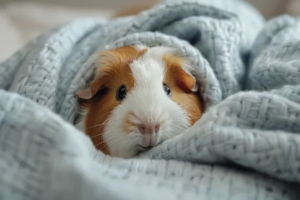
Are Hamsters Easy to Keep?
Hamsters are fairly easy to keep: they need little space and eat small amounts, as long as you give a suitable home and balanced nutrition. Provide a roomy, safe cage in a warm, quiet, dim spot; feed varied food and clean water; offer chew items and a wheel for exercise; and keep the cage and bath sand clean. Avoid people food, long sun exposure, co-housing, water baths, and untreated tap water to keep your hamster healthy.
Can a Chinchilla Eat Only Alfalfa Hay?
Feeding a chinchilla only alfalfa long-term leads to poor nutrition and health problems. Chinchillas are omnivores that need variety—grass hay, dried fruit, nuts, vegetables, and fruit—to meet all their needs. Needs also change with age: youngsters need more protein and calcium for fast growth, while adults need high-fiber hay to aid digestion and wear their teeth. Use alfalfa mainly for juveniles and shift adults toward timothy hay.