Search Results
2124 results for “pet diet”
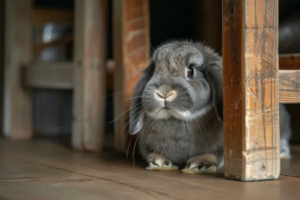
Can a Rabbit Live on Grass Alone, Without Pellets?
Rabbits are herbivores, but hay alone isn't advised — a single grass can't meet all needs and leads to weight loss, weak immunity, and skin issues. Aim for 70–80% hay (fiber + teeth wear), 5–10% pellets for balanced nutrition, and the rest fresh vegetables with a tiny bit of fruit.

What Causes a Cat’s ‘Glass Stomach’?
A cat's 'glass stomach' (chronic sensitivity) usually comes from poor diet (frequent food switches, intolerances, low-quality kibble, human food), irregular feeding, stress, or dental issues. Past illness (panleukopenia, parasites, gastritis, pancreatitis, hairballs) can also damage the gut lining. Fix diet, add probiotics, cut stress, and see a vet for ongoing vomiting, diarrhea, or weight loss.

The Benefits and Risks of Feeding Cats Liver
In moderation, liver supplies vitamin A, B vitamins, iron, protein, and taurine, boosts appetite and immunity, and helps prevent anemia — but too much causes vitamin A toxicity, calcium loss, obesity, and bleeding problems. Feed it cooked, at most once a week, and follow your vet's advice for sick cats.

Why Does a Cat Eat Cat Litter?
A cat may eat litter out of curiosity, mistaking it for food, digestive upset, stress, or a nutrient deficiency (pica). Stop it at once, and if it persists, see a vet to rule out disease. Switch to low-dust, unscented litter and keep the cat well fed to cut the risk.

Why Do Orange Tabbies Gain Weight So Easily?
Orange tabbies tend to gain weight because they digest well, have big appetites, are lazy, and are often overfed — most are also male, which needs more energy. Keep portions controlled and encourage exercise; if already overweight, cut food gradually, limit fatty treats, and increase play.

What Causes Periodontitis in Cats?
Poor oral hygiene and a wet-food diet are the main drivers of feline periodontitis: leftover food turns into plaque and tartar that inflame the gum and deeper tissues. Brush regularly, feed tooth-friendly dry food, and for mild cases try at-home care such as saline rinses and an antibacterial oral spray.
Does More Eye Discharge After Changing Dog Food Mean the Food Is Bad?
Extra eye discharge after switching dog food does not automatically mean the food is low quality — it can be a mild adjustment reaction, a food intolerance, or something unrelated like blocked tear ducts or an ear infection. Some foods are high in salt, and if your dog drinks little, this can cause 'inner heat' with more discharge, bad breath, and dry stool. Rule out the food by checking the label, watching overall health, and if discharge is thick, colored, or lasts over a week, see a vet.
Watch Out: Common Food Allergens for Dogs
Common dog food allergens include beef, chicken, dairy, grains (wheat, rice, corn), legumes, lamb, and eggs; reactions can show as skin redness, itching, rashes, hair loss, soft stool, diarrhea, vomiting, eye redness, tearing, sneezing, or runny nose, and in severe cases can be fatal. To find the culprit, start with an ultra-hypoallergenic commercial diet, then add one new ingredient at a time and watch for 1–2 weeks, stopping any that triggers symptoms.

What to Do When Chinchillas Fight
Chinchillas often fight over food or territory, especially when caged together; the safest fix is separate housing. When a fight breaks out, split them carefully without getting bitten, then check for injuries and treat wounds promptly.

Is It Normal for a Chinchilla’s Whiskers to Shorten or Fall Out?
Shortening or lost whiskers can be normal (natural wear, mutual nibbling, routine shedding) or a sign of trouble (barbering, disease, or poor nutrition). Normal loss needs no action, but sudden heavy loss with redness or fur loss warrants a vet visit.