Search Results
2132 results for “pet diet”

CoQ10 for Senior Pets with Early Heart Enlargement: What Owners Should Know
Cardiac enlargement in senior dogs and cats is not a single disease but a compensatory change—thickened heart muscle—that often appears with valve disease or cardiomyopathy. Under the ACVIM system, Stage B (split into B1 and B2) means structural changes are visible on X-ray or exam, yet the pet shows no obvious heart-failure signs, making it the ideal window for early support. CoQ10, a fat-soluble compound naturally made in heart cells, powers mitochondrial energy production and shields tissue from oxidative damage. Because endogenous CoQ10 falls sharply with age, supplementation is one of the most studied, low-cost veterinary adjuncts for cardiac care. This article explains Stage B heart enlargement, why CoQ10 helps, how to choose a transparently labeled pet-specific supplement, and the daily diet, exercise, and recheck habits that protect an aging heart.
How to Feed Goldfish a Balanced Diet
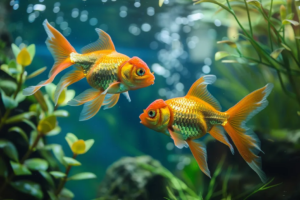
Goldfish are omnivores that eat both plant and animal foods, so a sensible diet mixes the two. Offer finely chopped veggies and fruit—carrot, cucumber, apple—for vitamins and fiber, plus small live or frozen foods like daphnia, bloodworms, and brine shrimp for protein. Feed a quality goldfish pellet as the staple, twice daily in amounts finished within 10 minutes, and keep the water clean, oxygenated, and planted with greenery. A varied, measured diet, with the occasional live-food treat, is the recipe for healthy, vibrant goldfish.
How to Supplement a Pregnant Guinea Pig’s Diet
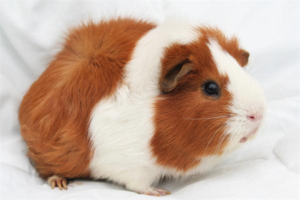
A pregnant guinea pig eats more—that is normal, as she adjusts her intake to feed the growing babies. But overfeeding risks oversized fetuses and a difficult birth, so balance matters. Aim for about 18% protein from quality sources (fish meal, meat-and-bone meal), plenty of calcium, phosphorus, zinc, and iron, and vitamins A, C, D, E, and K. Vary the feed to keep it fresh and appetizing, and raise the daily amount gradually—roughly 10% more in early pregnancy and 20% more later. Keep feed dry, fresh, and mold-free, and watch her appetite, mood, and droppings daily. Good nutrition and management are what produce healthy, lively pups.
Pet CoQ10 Supplements Reviewed: Picking One That Genuinely Supports Heart Health
CoQ10 is a popular supplement for pets with heart conditions, but it supports heart function rather than curing disease. It helps the heart muscle generate energy, mildly slows heart failure, and supports immunity and vitality. Yet the market is full of weak or mislabeled products—industry figures suggest most pet CoQ10 labels either understate or omit the actual content, and some use industrial-grade raw materials. When choosing a supplement, look for verified CoQ10 content (ideally backed by independent testing), natural fermentation sources, and a clean antioxidant formula, matched to your pet's age, breed risk, and symptoms. Used alongside veterinary treatment, a quality CoQ10 can be a valuable part of heart care.

Which Pet Turtles Are Most Common?
The most common pet turtles include the Chinese pond turtle, red-eared slider, yellow-margined box turtle, red-faced mud turtle, painted turtle, musk turtle, map turtle, and yellow-breasted turtle. Among them, the Chinese pond turtle and yellow-breasted turtle are native Chinese species loved by keepers. Chinese pond and red-eared slider turtles are inexpensive and easy to raise, making them ideal for beginners. Because each species has different habits, owners should learn the specific needs of their turtle, such as basking requirements, and prepare a basking platform so the animal can dry off and absorb heat.

Medicines for Pet Diarrhea and Soft Stools
A common myth is that probiotics fix diarrhea; they help soft stools but work weakly against true diarrhea. For active diarrhea, an anti-diarrheal liquid paired with live probiotics works best, with clear dosing by weight. This guide also covers when to stop, how to feed during recovery, and when a prescription diet is the answer.

Why Pets Gain Weight After Spaying or Neutering
An intact cat's base metabolic rate is about 30 percent higher than a neutered cat's, so the same food leads to faster weight gain after the procedure. Obesity raises the risk of heart disease, diabetes, high blood pressure, arthritis, fatty liver, and more. The fix is diet and exercise: feed timed, smaller, high-protein low-fat meals, drop the treats, and keep moving, with low-impact activity like swimming for joint-prone breeds.

Why Has Your Cat’s Appetite Suddenly Increased?
A bigger appetite is normal in growing kittens, who need two to three times an adult's nutrition, and in cold weather, when cats eat more to stay warm, so boost their diet seasonally. But if a cat eats eagerly yet seems unsatisfied, the food may lack nutrients, and cheap filler drives a vicious cycle of hunger. Irregular once- or twice-daily feeding also triggers binge eating and even vomiting, so feed on a fixed, small-meal schedule. Watch weight, since obesity harms cats.

What to Do If Your Pet Rabbit Is Constipated
Constipation is common in pet rabbits and, when severe, leads to refusal to eat and listlessness, so it needs prompt attention. Causes include unbalanced feed with too little water, foreign material in the diet, lack of exercise, or secondary disease such as anal inflammation or gut atony. Signs are dropping appetite, weak gut sounds, small hard droppings, then no stool at all, sometimes with bloating. Treatment clears the gut with short fasting, water, abdominal massage, and, if needed, a sodium bicarbonate enema; prevention centers on greens, water, exercise, and a fixed feeding schedule.

How to Boost a Rabbit’s Appetite in Summer
When a rabbit eats less in summer, keep its bottle full of clean water for hydration, offer fresh hay in small frequent servings to avoid spoilage, and raise the share of water- and fiber-rich fruits and vegetables to tempt eating. Heat makes rabbits sluggish, but daily out-of-cage play supports health and appetite. Also keep the space cool and ventilated, vary the diet, control sugary or starchy food, avoid the hottest sun, and see a vet if poor eating persists.