Search Results
2124 results for “pet diet”

How to Care for Rabbits in Winter
Winter rabbit care centers on warmth, nutrition, exercise, and health checks. Provide a well-insulated, draft-free hutch with soft bedding, feed extra high-energy food and offer warm water (30-40C), and let them exercise and sunbathe on milder days.

What to Do About Worn Dog Teeth
Dog teeth wear naturally with age and faster from hard food, constant chewing on tough items, or impact. Manage it with a softer, balanced diet, regular brushing, and veterinary checkups; severe wear that hurts eating may need professional cleaning, repair, or extraction.

What to Do When Your Dog’s Ears Smell Bad
A smelly dog ear is usually caused by wax buildup, infection, ear mites, improper bathing, or a salty diet. Clean gently with a pet ear solution, keep the ears dry after baths, and watch for redness, discharge, or head-shaking that warrants a vet visit.
What are the symptoms of feline HCM (hypertrophic cardiomyopathy)?
Feline HCM has vague early signs; as it worsens, cats get sleepy, cough, lose appetite, and breathe fast; some develop pulmonary edema (severe breathlessness). It can be hereditary (Maine Coons ~100%, some American Shorthairs). Lifelong meds, low-sodium food, and limited activity are needed.
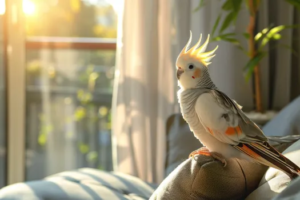
How to Feed a Newborn Parrot
Newly hatched parrots should be fed a fine, evenly textured parrot hand-feeding formula every 2-3 hours, with small portions to avoid digestion problems. Keep the brooder warm (28-32C), quiet, and clean, and watch closely for any sign of illness.
What If Your Cat Eats Only Treat Sticks and Refuses Kibble?
A cat that eats only treat sticks (cat paste) and skips kibble risks nutritional imbalance, weak immunity, and obesity, since these snacks are low in complete nutrition and high in fat. Wean gradually: mix 30% treat stick into kibble days 1–3, 15% days 4–7, 5% days 8–10, then kibble alone. Add play and puzzle feeders to build appetite. If the refusal is sudden with lethargy or weight loss, see a vet for stomatitis or illness.
What should I do and what medicine helps a cat with diarrhea?
Cat diarrhea usually comes from digestive upset; first try a little pet probiotic to rebalance the gut and watch. If it doesn't improve, give a vet-grade amoxicillin-clavulanate powder and bismuth subcarbonate tablets to reduce inflammation and stop diarrhea. Feed softened kibble in warm water, avoid rich or hard food, and if it hasn't improved in 2-3 days, see a vet to rule out parasites or cat distemper.
What should I do if my cat has diarrhea, vomiting and seems unwell after moving?
After a long trip to a new home, a cat may suffer stress ('not acclimated'), causing diarrhea, vomiting and lethargy. Prepare familiar-smelling items, add probiotics to the food, keep the environment calm, and it usually recovers in 1–2 days. If it worsens with low appetite and vomiting/diarrhea, it could be feline panleukopenia (distemper) — a fast, deadly infection — so see a vet at once.

Causes and Treatment of Dog Hepatitis
Dog hepatitis can stem from infectious canine hepatitis, toxins or drugs (arsenic, mercury, plant alkaloids, phenols, chlorpromazine, testosterone, halothane), or liver-fluke parasites. Early signs are vague — lethargy, appetite loss, jaundice, vomiting — so a vet visit and blood work are needed; treatment removes the cause, supports the liver, and uses antivirals when viral.
What medicine helps a dog’s diarrhea get better fast?
Dog diarrhea is usually gastroenteritis; you can give a pet anti-inflammatory containing amoxicillin or metronidazole, plus an anti-diarrheal with bismuth subcarbonate and probiotics to settle the gut. Keep the diet light to avoid irritation; symptoms usually ease in 1-2 days. If diarrhea doesn't improve after medication, it may be parasites or a virus — take the dog to a vet to find the cause and adjust treatment.