Search Results
2124 results for “pet diet”
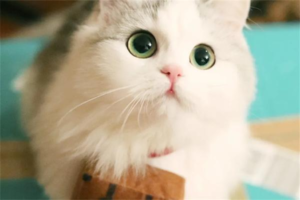
How to Feed an Exotic Shorthair Cat
Exotic Shorthairs need wide, shallow ceramic bowls and a small-nozzle bottle; small kibble fed on a schedule. Daily eye/nose care, brushing, ear checks, malocclusion watch, stool monitoring, diet variety, low-dust litter, and regular deworming and vaccines keep them healthy.

How to Care for a Dog in Its Growth Stage
A 'growth-stage' dog is one from weaning to adulthood. After weaning it is separated from the mother and moves from milk to puppy kibble. As it grows, its energy needs change, so its diet must change too. Here is how to manage a growing dog.

Which Dog Breeds Have Little Body Odor?
Some people dislike dogs because of their smell, but many breeds have very little, almost none. Strong odor usually comes from poor grooming or wrong feeding. Here are a few low-odor breeds.

Why Is Your Budgerigar Lethargic and Sleeping All the Time?
A budgie that is low on energy and sleeps constantly may be reacting to the weather, or it may be lacking attention or falling ill. Watch its eating and overall condition closely; if you spot abnormal symptoms, treat promptly to keep the problem from worsening.
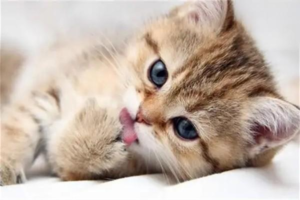
How to Feed a 3-Month-Old Kitten
A 3-month-old kitten's teeth are not yet fully developed and its stomach is still delicate, yet you also need to help exercise its teeth. Semi-liquid food is therefore the best choice, such as kitten kibble softened with goat's milk or milk pudding. Below we walk you through how to feed a young kitten and what to watch out for.
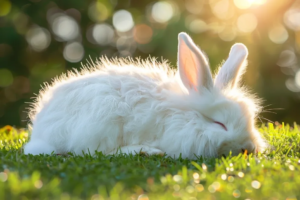
Common Dental Problems in Rabbits
Rabbit teeth grow for life, and many rabbits get overlong teeth from too little chewing. They also often suffer malocclusion. This article covers common rabbit dental diseases.
How to regulate a Husky’s digestive system?
A Husky's digestion can be supported by choosing a nutritious, balanced dog food and avoiding human food or overly processed treats. Feeding frequency and portion size should match the dog's age, activity level, and weight. Adequate clean drinking water and regular deworming also help prevent parasitic infections.
How to remove the odor from a Pug?
Odor on a Pug usually comes from the skin, coat, or ears, so regular bathing with pet-specific shampoo and conditioner is needed to remove dirt and bacteria. Keeping the skin and coat dry reduces bacterial and fungal growth. Special attention should go to keeping the ears dry to prevent inflammation and smell.
How should a Pomeranian be groomed?
Daily grooming for a Pomeranian requires attention to a few key points. Because their coat is dense, it needs daily brushing with a pin brush and comb to prevent matting and shedding. Their sensitive skin means baths should be limited to about once a month using pet-specific shampoo and conditioner.
There is a layer of milky white sticky jelly-like substance on my dog’s stool
The white jelly coating is shed intestinal mucosa, usually from poor digestion and absorption such as gut flora imbalance, cold exposure, parasites, or overeating. If the dog is bright and stools are formed, improve the diet and add probiotics.