Search Results
217 results for “pet diabetes”
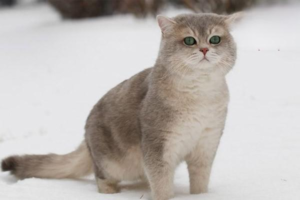
Why Does My Cat Always Lie Down? Understanding Feline Arthritis
If your cat spends most of its time lying down, walks with a limp, or refuses to be touched on the hind legs, it may be suffering from arthritis—a condition that affects up to 90% of cats as they age. Arthritis is the inflammation and degeneration of joint cartilage, most often secondary (degenerative) arthritis, which worsens as cats grow older. Cats are masters at hiding pain, so signs like reluctance to jump, reduced grooming, increased sleeping, and irritability can easily go unnoticed. Causes include aging, genetics, obesity, injury, and acromegaly. Treatment combines veterinarian-supervised medication (NSAIDs such as meloxicam), weight management with omega-3 and glucosamine supplements, and environmental adjustments like steps and soft bedding. Prevention starts with a healthy diet and keeping your cat lean.

Should You Spay or Neuter Your Cat?
Deciding whether to spay or neuter your cat is a personal choice with real trade-offs. Benefits include fewer diseases—neutering males lowers urinary and prostate problems and stops territorial spraying and aggression, while spaying females prevents ovarian cysts, pyometra, and mammary or ovarian tumors—plus a longer average lifespan and calmer behavior. The main drawback is a higher obesity risk because hormones shift and activity drops, which raises the chances of diabetes, joint, heart, and urinary-stone problems, especially in males. The right call depends on your cat; if you proceed, always use a licensed veterinary clinic.
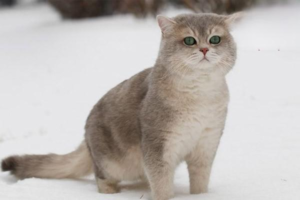
Why Your Cat Always Seems Hungry
A sudden or constant increase in appetite can signal more than a greedy cat. Internal parasites such as roundworms and tapeworms steal nutrients, leaving your cat underfed despite eating plenty. Diseases like hyperthyroidism, diabetes, or tumors also prevent the body from using food properly, so the cat stays hungry and may lose weight. Emotional boredom and stress can trigger comfort eating too. If your cat eats a lot yet keeps losing weight, a veterinary checkup is essential.

Thinking of a Golden Retriever? Know This First
The Golden Retriever is smart, gentle, and friendly, and with training can work as a guide or search dog. But it sheds heavily, drools, has a strong odor, eats a lot, and needs at least 1–2 hours of exercise daily or it turns anxious and destructive. It's also prone to hip dysplasia, obesity, ear infections, and eye disease. Know the real commitment before you bring one home.

The Dangers of Dental Tartar in Dogs
Dog tartar is hard buildup of bacteria and food debris along the gumline. Left alone it drives gingivitis, bad breath, loose or lost teeth, mouth infection, periodontal disease, respiratory infection, and even whole-body issues like heart, kidney, and diabetes risk. Prevention means regular brushing, dry food over wet, and limiting sugar and starch. Severe cases need a professional dental cleaning, and badly loose teeth may require extraction.
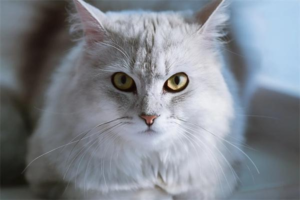
Why Your Cat Eats But Stays Thin
A cat that eats plenty yet stays thin can point to a weak digestive system, high activity, picky eating, illness, or genetics. If the cat is not naturally slender but eats well without gaining weight, a vet check is wise to rule out problems and adjust diet. Some cats are simply born lean and stay healthy that way, which is no cause for worry. Either way, forcing extra weight is unhealthy.

Canine and Feline Cataract: Symptoms, Treatment, and Prevention
Cataract is clouding of the lens in dogs and cats—often in old age or from diabetes, glaucoma, or toxins—that blurs and can destroy vision. Medicines help early stages, but surgery is the main cure.

Hyperlipidaemia in Dogs and Cats
Hyperlipidaemia is a metabolic disorder in which blood fats such as cholesterol and triglycerides rise above normal. It often accompanies hypothyroidism, diabetes or obesity, and is managed by correcting the underlying disease and feeding a low-fat diet.

Obesity in Dogs and Cats
Obesity is an excess of body fat that develops when energy intake consistently exceeds expenditure. It is common in pets fed too much, exercised too little, or affected by endocrine disease, and it predisposes to heart disease, diabetes and a shorter life.

Chronic Renal Failure in Dogs and Cats
Chronic renal failure is the slow, often permanent loss of kidney function from long-term kidney damage, such as after acute renal failure, glomerulonephritis, or urinary stones. It brings progressive dehydration, weakness, and heart strain, and needs lifelong fluid, diet, and monitoring support.