Search Results
1548 results for “pet cold”

Common Causes, Symptoms and Treatment of Pet Colds
Pets catch colds easily — usually from chills (season changes, baths, drafts, rain, cold floors) or low resistance. A plain cold can worsen into something serious, so treat it early. Never give human cold medicine (acetaminophen is toxic to dogs and cats); use pet-specific drugs. Learn the warning signs that separate a cold from pneumonia, rhinitis, feline herpesvirus (cat flu) or distemper.
Yesterday I found a cat outside and brought it home; it looks like a pet cat that got out, but it breathes poorly, nose blocked, sneezes like a cold, and has a scabbed injury on the nose. Photos 1–2 are from that night, photo 3 is this morning.
Breathing trouble, blocked nose, sneezing suggest respiratory infection or cat flu. Try doxycycline or amoxicillin-clavulanate and watch; if no clear relief, see a vet. A stray easily catches viruses and needs proper vet care.
What are the symptoms of a cold in a pet ferret?
A ferret with a cold usually sneezes, has a runny nose, poor appetite, breathing difficulty, low spirits; a few vomit. Untreated, it may develop secondary infections like pneumonia or rhinitis. Keep it warm and give isatis-root granules; if no improvement, see a vet.
My guinea pig is constipated and has a bit of a cold; I gave it Mommy Love (Medilac) and a small amount of 999 for three or four days with no effect, its appetite is poor, and it has started crying more these past few days
A guinea pig's cold and constipation need prompt treatment. If Mommy Love and 999 aren't working, switch the cold medicine to amoxicillin clavulanate and Isatis root. Also, 999 Cold Remedy is fairly toxic to small pets, so never overfeed it. If the cold symptoms don't ease, take the guinea pig to a vet to check for a lung infection. Finally, try offering the guinea pig some fresh apple and hay, and keep its water intake adequate to prevent overly dry stools.
Cat has no appetite, now twitching and vomiting water, body getting cold
These signs match feline distemper: diarrhea, vomiting, appetite loss, lethargy, fever, bloody stool. The cat is weak and needs fluids urgently. Get to a vet fast; distemper can be cured if treated promptly.
I have a Samoyed puppy (two months and eight days) with repeated dry heaving and clear runny nose. The vet tested negative for distemper and parvovirus, blood test showed high white cells and anemia, and gave three shots (anti-inflammatory, stomach, cold), then three more at night. Today it first passed bloody stool at home, the bloody part mucus-like. Normally energy is good and appetite normal.
Kennel cough starts abruptly with cough, runny nose, sneeze, and eye/nose discharge, progressing from dry to wet cough; common in 2-3 month pups. Your dog does not match it; follow the vet for further diagnosis and treatment.
My two-month-old puppy sneezes and has clear nasal discharge but normal appetite and energy; is it a cold, what should I do, does it need medicine?
With normal energy and appetite, clear sneezing discharge may indeed be a chill or cold; pet cold and anti-inflammatory medicine plus warmth and nutrition can help. Observe 3-5 days, and if it worsens or fever appears, rule out distemper or kennel cough at the vet.
My kitten sneezes and coughs very frequently with runny nose; the vet said a cold, but after days of shots/meds it’s worse, coughing harder (was single, now several in a row); appetite/spirit good. Is it really a cold or something else?
Cough/sneeze/runny nose mainly from upper respiratory infection—pneumonia, bronchitis, viral cold, cat flu. If vet ruled out cat flu/calicivirus/mycoplasma/chlamydia and called it a common cold, cold meds help in 3–5 days. No improvement → other respiratory disease; further check. Viral cold needs interferon/antivirals; severe → nebulization/shots. Keep warm, encourage warm water.
My cat sneezes repeatedly, its head and ears feel hotter than usual, but its spirits and appetite are normal. Is it a common cold, and can it heal on its own?
Frequent sneezing, fever, and normal spirits in a cat are generally symptoms of a respiratory infection. Normally, a common cat cold does not cause fever, and if immunity is low it may not heal by itself. If a cold causes a fever, it may be the body's immune response to fever-causing pathogens or viruses, or a secondary infection from delayed treatment. The owner should measure the cat's temperature; if it rises to 39.5 C, take the cat to the vet promptly to check for respiratory disease or contagious infections such as feline rhinotracheitis, calicivirus, mycoplasma, or chlamydia, and provide treatment for the confirmed cause along with fever reduction.
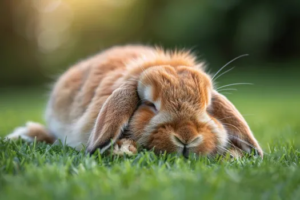
Why Does My Rabbit Have Cold Ears and No Appetite?
Cold ears in a rabbit usually mean its body temperature has dropped and it feels chilly — warm it up with a blanket and keep its environment at 18–24°C. If the ears are cold together with loss of appetite, an illness such as rabbit hemorrhagic disease, a cold or a serious condition may be lowering its temperature; watch for lethargy, sneezing, discharge or diarrhea and see a vet promptly.