Search Results
405 results for “pet cat breeds”

Can Pets Use Air Conditioning?
Pets can use AC if you set it around 27–28°C, avoid direct drafts, keep air moving, and let them adjust to temperature changes gradually. Watch for 'AC sickness' — sneezing, lethargy, anorexia — and cool short-faced dogs (pugs, bulldogs) without fail in summer heat.

How to Care for a Pet with Arthritis
Arthritis is a progressive joint disease affecting most older dogs and cats, causing pain and reduced mobility. Management centers on weight control, appropriate anti-inflammatory medication, and joint supplements, and prevention through early supplementation beats treatment.

How to Get Rid of Cat Tear Stains
Tear stains spring from diet, eye irritation, herpesvirus, or flat-faced breed anatomy, and the fix starts with better food, filtered water, and non-plastic bowls plus daily warm wiping. For non-infected stains, a dab of medical petrolatum lets tears evaporate before they mark the fur; for infected or inflamed eyes, use a pet antiseptic eye drop first, then the petrolatum.

Why Dogs and Cats Vomit After Eating Dry Kibble
Dry food is made by extrusion, which puffs each piece so it swells sharply once it meets stomach fluid — a belly full of expanding kibble is a common reason dogs and cats bolt their food and then vomit. Soaking the food softens it and eases the gut, while slow-feeder bowls, split meals, and probiotics help dogs with sensitive stomachs.

Are You Really Ready to Keep a Pet Rabbit?
Rabbits are fragile and need more care and patience than cats or dogs, which is why fewer people keep them. Before you commit, ask whether you have the time, space, budget, patience, and lifelong commitment—and never treat a rabbit as a toy. Pet rabbits are weaker and smaller than farm rabbits but no different in nature.

What to Do When a Hairless Cat Catches a Cold
Hairless cats have no fur to insulate them, so they catch chills easily—keep a sick cat warm, hydrated, and well-fed, and use heat-clearing or antiviral medication for cold symptoms. If eye discharge, red eyes, or fever appears, the cause may be feline rhinotracheitis and needs prompt veterinary care. Year-round, hairless cats need indoor living, clothing in winter, regular wiping in summer, and a calm, safe environment.

Is Your Cat Sticking Out Its Tongue Just to Look Cute?
A cat with its tongue out is often just relaxed, grooming, asleep, or born with a short chin that can't hold it in—all harmless. But a tongue that stays out with panting, drooling, bad breath, or lethargy can point to heart or lung disease, heatstroke, or a respiratory infection that needs a vet.

Why Cats Hate Baths and What to Do
Cats resist baths because their desert ancestors relied on light, dry fur for speed and warmth — wet fur feels heavy and cold, a fear baked into their genes. Ease young cats in gradually after vaccines, use dry shampoo for the terrified, or let a groomer handle it, and watch for post-bath illness signs.

What to Know Before Buying a Pet Cat
Before buying a cat, confirm its vaccine history and get the record book so you can keep shots current. Buy from a proper shop rather than street sellers, choose a 2–3 month-old kitten still with its mother's immunity, and pick a naturally good-tempered cat that tolerates handling.
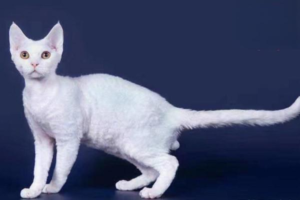
Cold Symptoms and Fever in Sphynx (Hairless) Cats
Sphynx (hairless) cats lack a fur coat and lose heat far more easily, so they catch colds more readily than other breeds. Mild cases with a low fever under 39.5°C can often recover at home with warmth and supportive care, but a cat that won't eat, grows weak, or fails to improve needs prompt veterinary attention.