Search Results
40 results for “penicillin streptomycin”
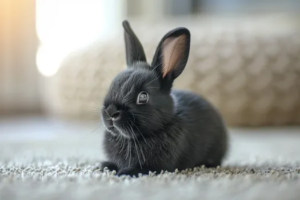
Rabbit Bronchitis from Getting Chilled
Cold weather lets a rabbit's chill turn into a cough and tracheitis; keep the hutch warm and draft-free, and treat with anti-inflammatory care much like pneumonia.

What to Watch for with Dog Allergies
There are many causes of allergic reactions in dogs; with over two thousand allergens in nature, the chance is fairly high. Here we detail the types of allergens.
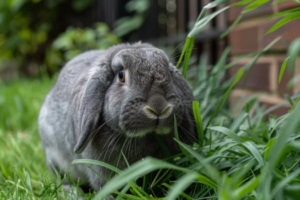
Rabbit Respiratory Inflammation
Respiratory inflammation hits any age in any season and worsens in damp weather, but caught early it's minor. This guide covers causes, signs, and the rinse-and-antibiotic treatment.

Two Common Inflammations in Rex Rabbits
Sore hock (pododermatritis) and infectious rhinitis are both common in rex rabbits and can harm the animals; infectious rhinitis is also contagious and can sweep through a herd. This guide covers the signs, care, and prevention of each.

Preventing and Treating Rhinitis in Rex Rabbits
Rhinitis peaks in rex rabbits each spring, driven by temperature swings, and is often fatal in kits. This guide covers the signs and the penicillin-streptomycin regimen that treats it.

Causes and Treatment of Diarrhea in Baby Rabbits
Kit diarrhea comes in food-based, mucous, and dysenteric forms, each needing a different treatment. This guide covers the causes, the right medications, and how to prevent the deadly Clostridium perfringens type A infection.

Two Serious and Common Rabbit Diseases
Rabbit owners should know how to prevent and recognize viral hemorrhagic disease and pasteurellosis — two widespread, often fatal rabbit illnesses. This guide covers their signs, vaccines, and treatment regimens.

Prevention and Treatment of Rabbit Otitis Media
Rabbit otitis media, often called wry-neck disease, is usually caused by Pasteurella multocida and can be fatal if left untreated. The earliest sign is a head tilted to one side; as it progresses the rabbit may roll, lose balance and eventually die. Prompt, cause-specific treatment and good hutch sanitation are the keys to prevention.
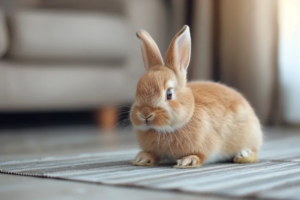
Treatment and Prevention of Infectious Rhinitis in Rabbits
Infectious rhinitis in rabbits is hard to eradicate and easily relapses, so prevention matters most: low density, good ventilation, clean hutches, steady warmth and the Pasteurella vaccine. For outbreaks, florfenicol, tilmicosin or tylosin now work better than the overused penicillin–streptomycin combo.

Prevention and Treatment of Infectious Rhinitis in Rabbits
Infectious rhinitis in rabbits is hard to cure and best prevented: strict husbandry, low density, good ventilation, solid nutrition and the Pasteurella–Bordetella vaccine cut the risk. For outbreaks, antibiotics such as penicillin, streptomycin, kanamycin or gentamicin by injection, plus enrofloxacin in water for whole-group infection, are the main treatments.
- « Previous
- 1
- 2
- 3
- 4
- Next »